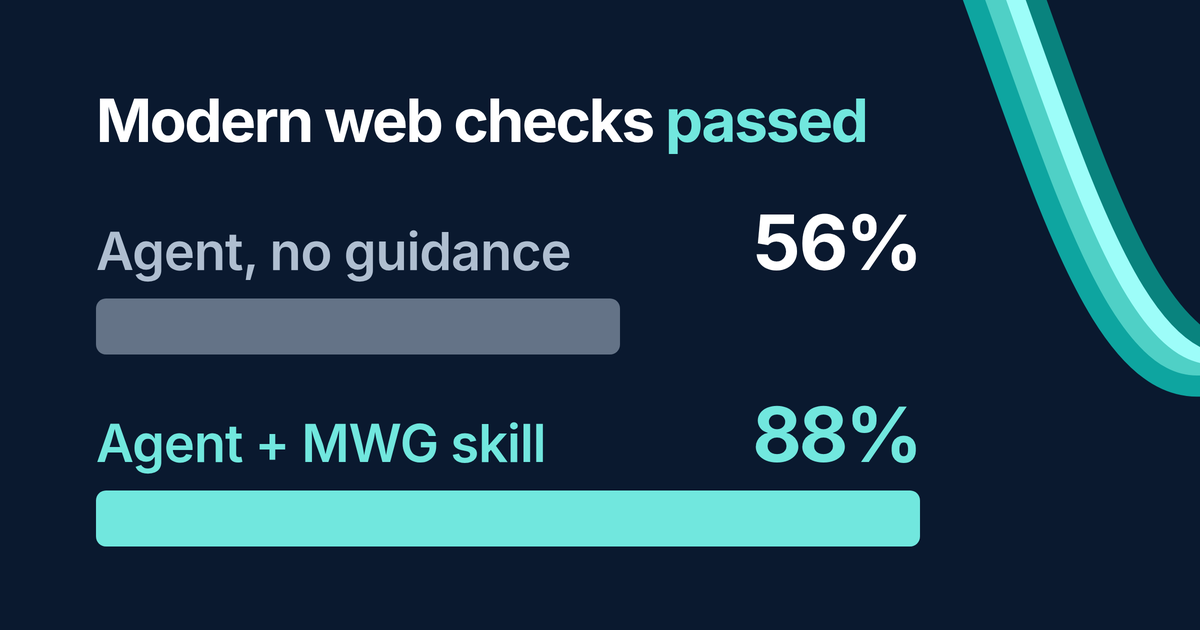
Articles
303 articles on running a business with AI
Start here
All guidesLatest
Showing 1 to 20 of 303
Data Residency or Real Sovereignty: What Does Local AI Actually Mean?
Residency is where data sits. Sovereignty is whose law governs it. What the DeepSeek ban, APRA's April 2026 letter and GovAI Chat mean for Australian AI buyers.

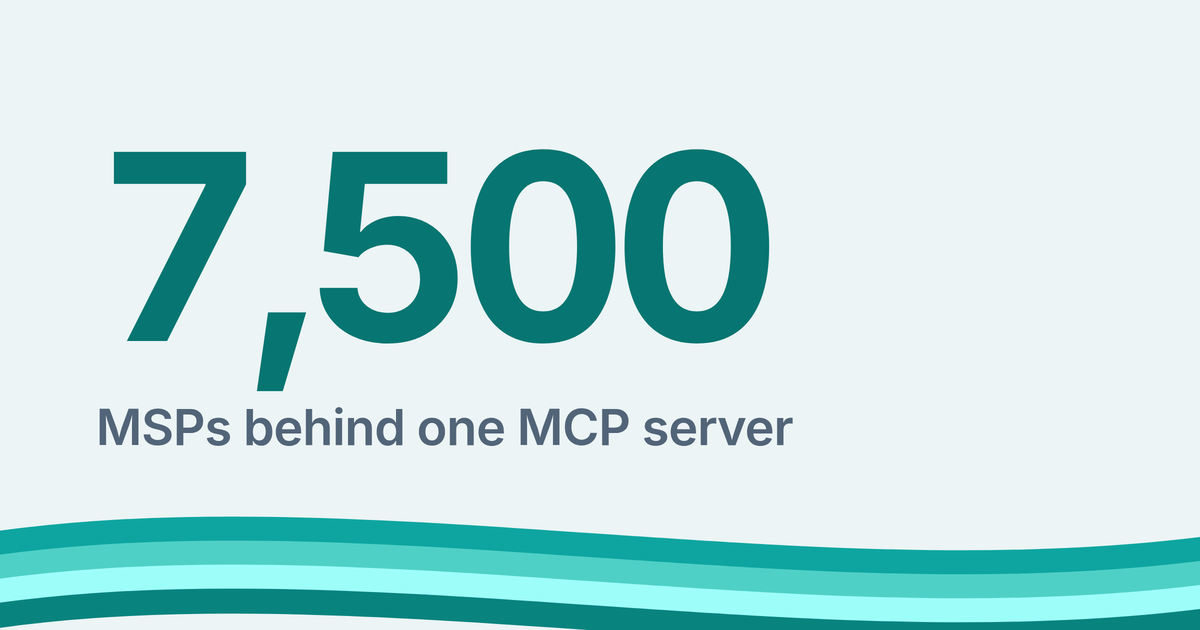
Should Australian MSPs Build Their Automation Stack on MCP?
Sherweb shipped an MCP server for 7,500 MSPs. What the protocol now does, where the trust boundaries sit, and how to build a local stack on one DGX Spark.
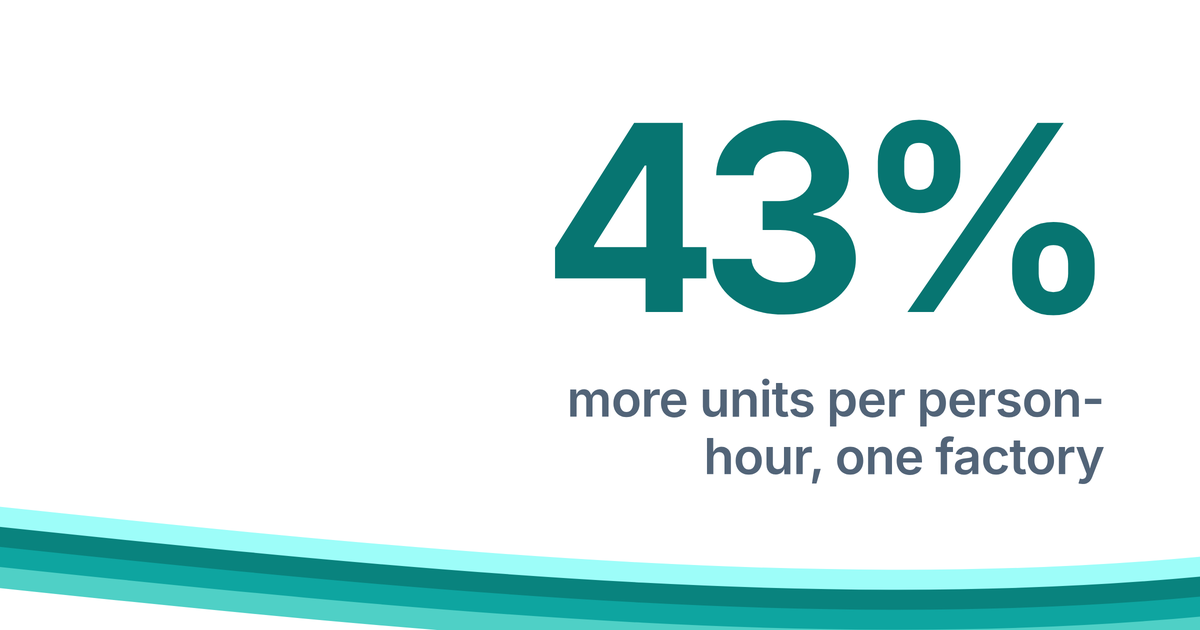
Where Does AI Automation Actually Pay Off: Lessons From 35% Fewer Defects?
Rockwell's 35% defect cut and Citi's 100 redesigned processes point to one rule: automation pays where the process is redesigned, rule-bound and measured.
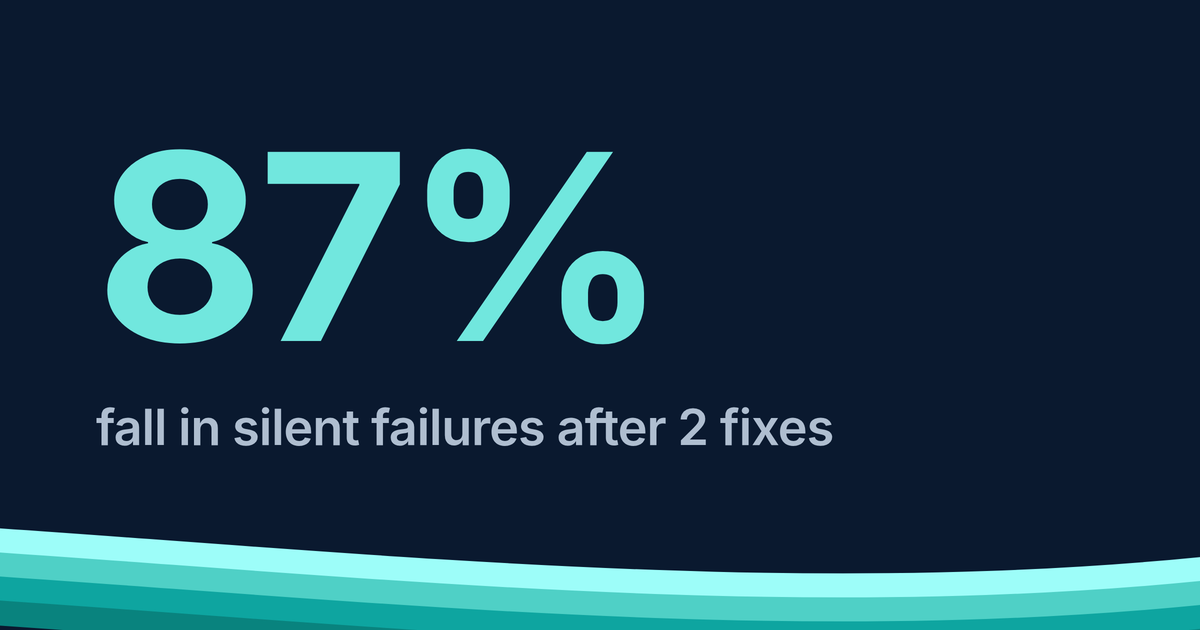
Your AI Agent Broke in Production: Can Open-Source Tooling Tell You Why?
Google's AQuA and Cloudflare's Kitesurf went open source this cycle. What each one diagnoses, what it misses, and the stack that catches silent agent failures.
Inkling 2 Small: What the 7-Day Open-Weight Release Actually Gets You
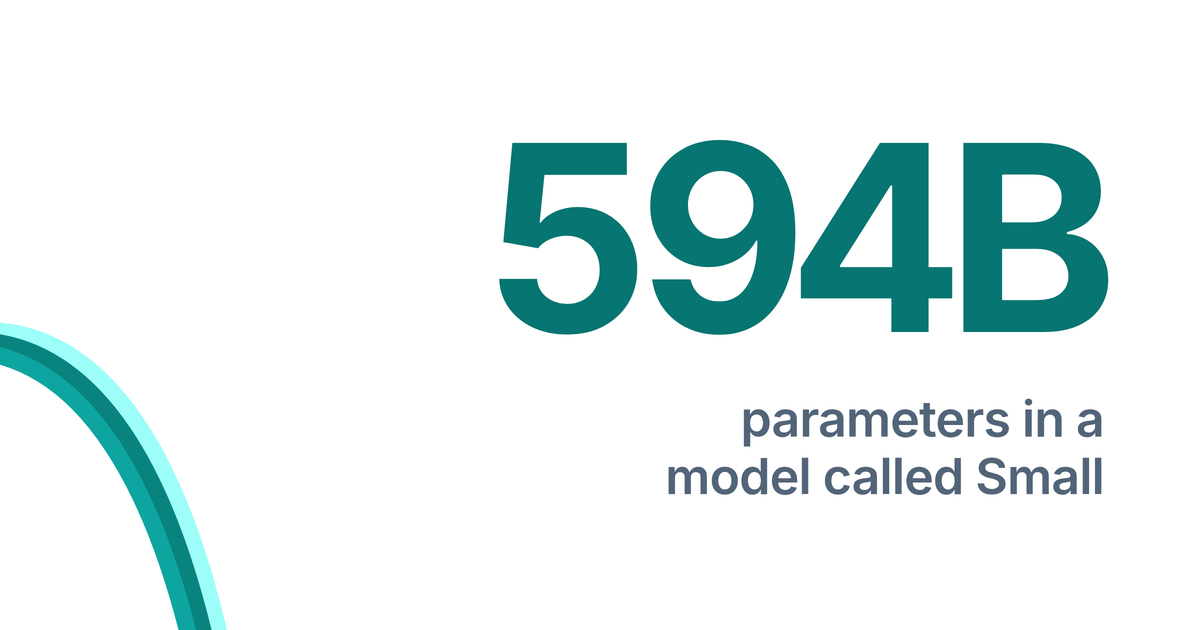
Thinking Machines shipped Inkling 2 Small closed, promised Apache 2.0 weights in a week, and delivered on day 7. What the 594B model costs and where it fits.
Should You Trust Open-Source Security Tools To Guard Your AI Agents?
This post assesses open-source AI agent security tooling, covering what an MCP-aware harness inspects, where open source beats paid scanners on cost and inspection, how to run it offline against a local stack, and the limits of a self-learning skill.
Why Are 80% Of Businesses Planning AI Agents But Still Stuck At Basic AI Fluency?
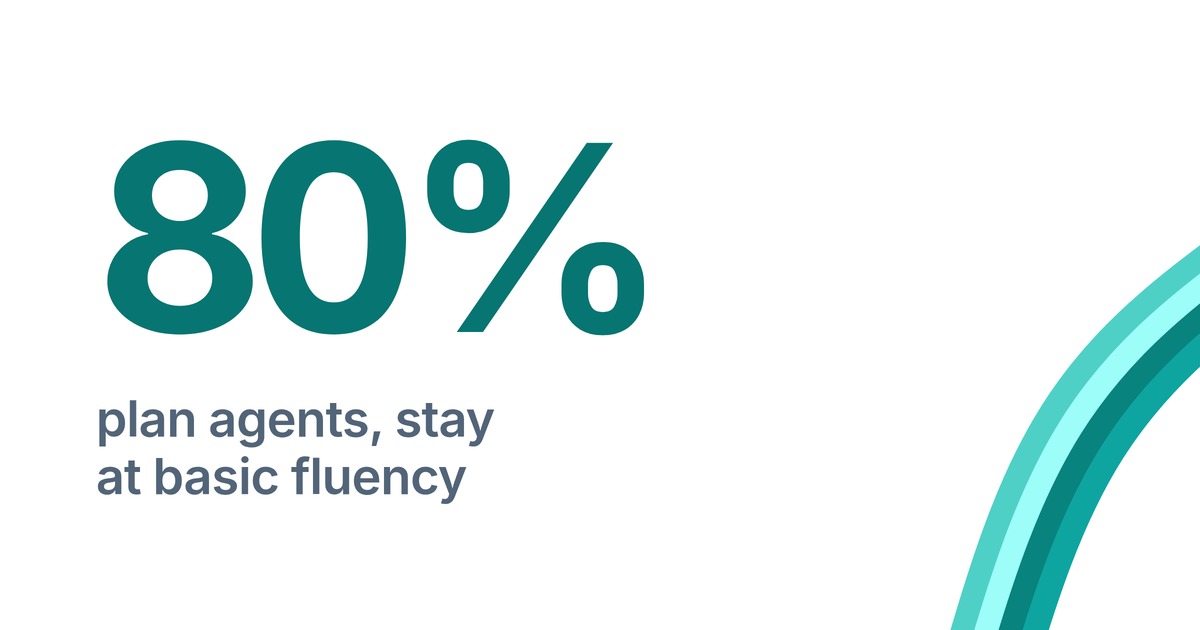
This post unpacks why agent planning has outrun AI fluency, sets out the four levels of fluency from prompting to supervising agents, and gives a five-step readiness program a small Australian business can run on local models.
How Do You Keep AI Agents Under Control Once They Leave The Pilot Phase?
This post explains how to keep an AI agent under control after it leaves the pilot phase, covering runtime observability, four core controls, an SMB-ready checklist and what Australian auditors and regulators will ask for.
What Happens When AI Agents Can Check Visa Status Through MCP?
How an MCP server gives AI agents read-only travel authorization checks for ESTA, UK ETA and Australian visa status, the three status types an agent must separate, why CBP and the Home Office publish no public API, the design rules for a regulated status server, and how the pattern extends to GST, right-to-work and insurance checks.

Should You Rebuild Your Workflow Around AI Agents, or Just Bolt Them On?
A handoff-count test for choosing between bolting an AI agent onto an existing workflow and rebuilding the workflow around agents, with 2026 evidence from Coinbase, ServiceNow, State Farm and Elo, a seven-dimension comparison table, a five-step decision process, and a local-inference deployment model for the steps that cannot leave the building.

DeepSeek V4.1 Flash Benchmarks: 552B Open Weights, 1M Context, $0.30 per Million Tokens
Full DeepSeek V4.1 Flash results on DeepSWE, AutomationBench, Agent's Last Exam and CyberGym, plus the pricing maths against GPT-5.6 Sol and Claude Opus-5.0. Includes what it costs to run on your own hardware.

OpenClaw vs Hermes Agent: Memory, Cost and Setup Compared in 2026
Hands-on comparison of OpenClaw and Hermes Agent from real client deployments: how each handles memory, what they cost to run, setup time and which fits a growing business. Updated November 2026.

GLM 5.3 Flash vs DeepSeek V4.1 Flash on a 256GB DGX Spark: 29-70 tok/s Measured
Measured serving results for GLM 5.3 Flash and DeepSeek V4.1 Flash on a 256GB dual DGX Spark cluster: 29-70 tok/s, 1M context, and how many boxes each model needs. Includes the recipe.

DeepSeek Harness (dsh): 95,000 GitHub Stars, Installed and Benchmarked
We installed DeepSeek Harness, ran its benchmark claims and compared the everything-is-a-plugin architecture with Claude Code and Cursor. Includes setup steps and where it breaks.

ZCode: Z.ai's Open-Source Coding Agent Harness, Benchmarked vs Cursor
ZCode is Z.ai's open-source coding agent harness for GLM-5.2. One-million-token context, multi-agent Goals, plugin architecture and pricing from $16/mo. How it compares with Cursor and Claude Code.

NVIDIA Open-Sourced Its AI Factory Layer. Here’s What It Means If You’re Building With Agents
NVIDIA's NVKE release is a design document for multi-tenant AI infrastructure. This post covers what the software actually does, why the AI factory stack went open source in June 2026, the per-customer control plane and SPIFFE/SPIRE node identity model worth copying into an agent platform, the four gaps NVIDIA admits in its own preview status page, five diligence questions to ask any platform vendor, and a build, rent or resell decision for business owners.

Does more agent memory make your AI agent worse?
Anthropic's 6 November 2026 research on agent memory evaluates the five parts of a memory system and the dreaming consolidation job across Pokemon Red, database, wiki and contract-review tasks. It finds that memory pays when it carries judgement and costs when it carries state, and it publishes the failure cases alongside the wins. This post explains how the hierarchy works, what the evaluations measured, and six operating rules for teams building agents.

How do you sandbox AI agents before they touch production?
Google donated Agent Substrate and gVisor to the CNCF, but the documented limits decide whether your agent sandbox is ready for production.

Can self-hosted open models really cut your AI coding costs by 90%?
Revolut cut AI coding costs about 90% with self-hosted GLM. Here is the hardware, the harness and the break-even maths for a 10-person Australian team.

What's actually useful in AI, every Friday
We follow everything happening in AI and send what's worth your time: new models, AI agents, and how to put them to work. One email a week, unsubscribe anytime.
One good place to start
What would you like to take off your plate?
Bring a process that feels repetitive or harder than it needs to be. We’ll help you find a practical first step.
Book a free consult
A free 1-hour conversation with AJ. No pressure, no pitch.