
Articles
191 articles on running a business with AI
Page 5
Showing 81 to 100 of 191
We Ran DeepSWE on Local Models. Here's What Actually Happened.
We tested DeepSeek V4 Flash, AEON-27B, and Step 3.7 Flash against the DeepSWE benchmark on DGX Spark hardware. All three scored zero. The story behind that zero is what matters.
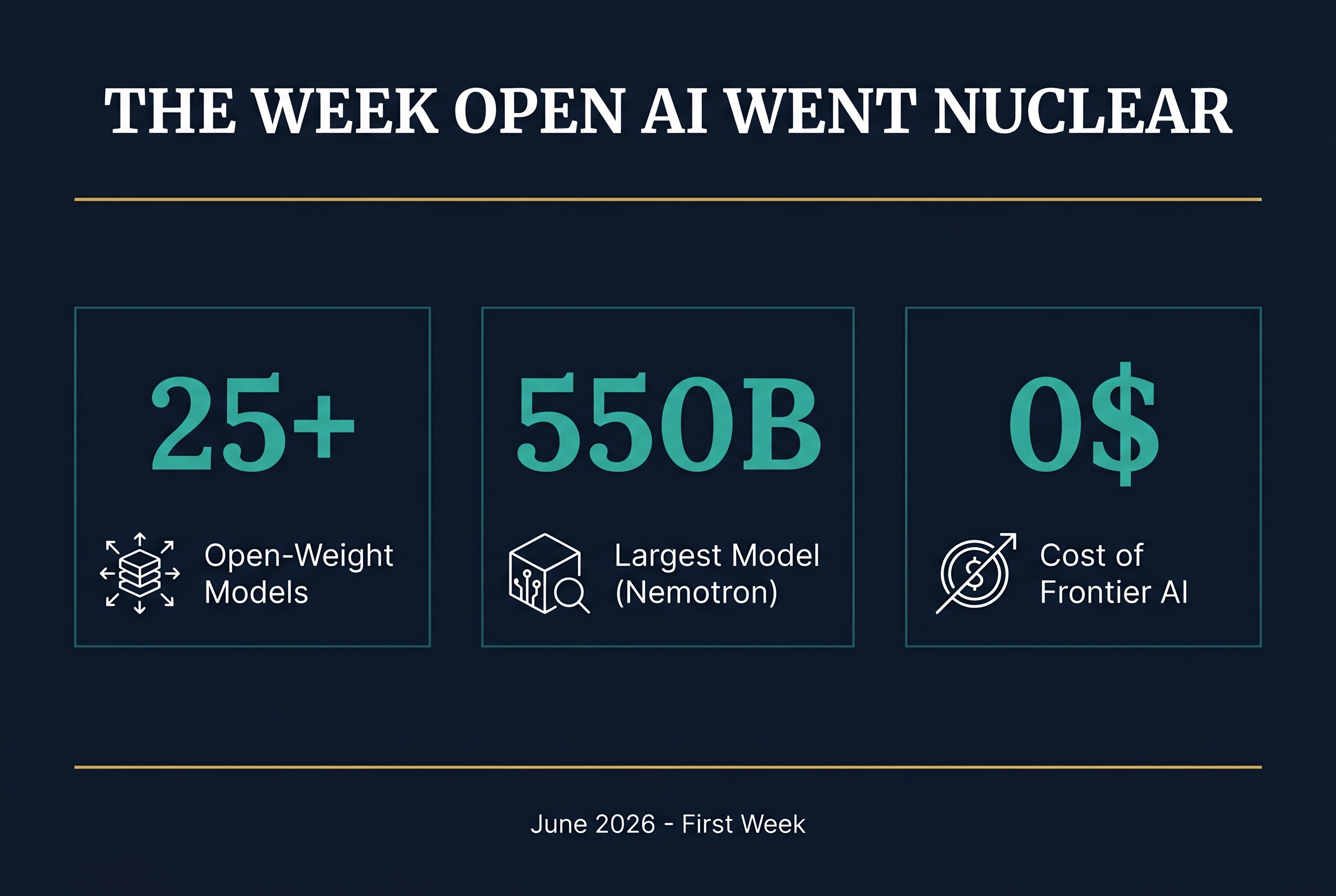
The Week Open-Source AI Went Nuclear: 25+ Open-Weight Drops That Changed Everything
25+ frontier open-weight AI models dropped in one week across every modality. The full breakdown of the most insane week in open-source AI history.
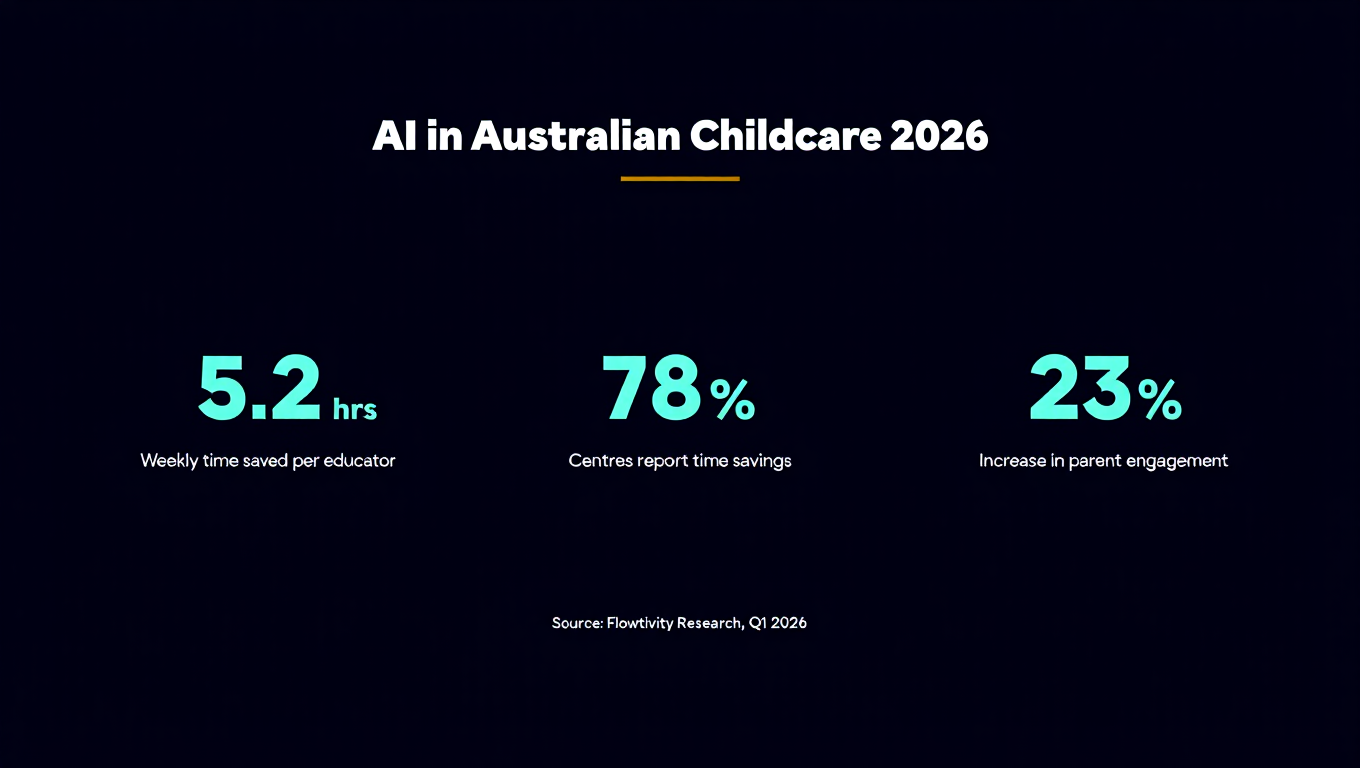
AI for Childcare: How Australian Early Learning Centres Use AI in 2026
How Australian childcare centres are using AI for observations, EYLF documentation, parent communication, and scheduling. Includes tool adoption data, privacy guidance, and implementation plans.
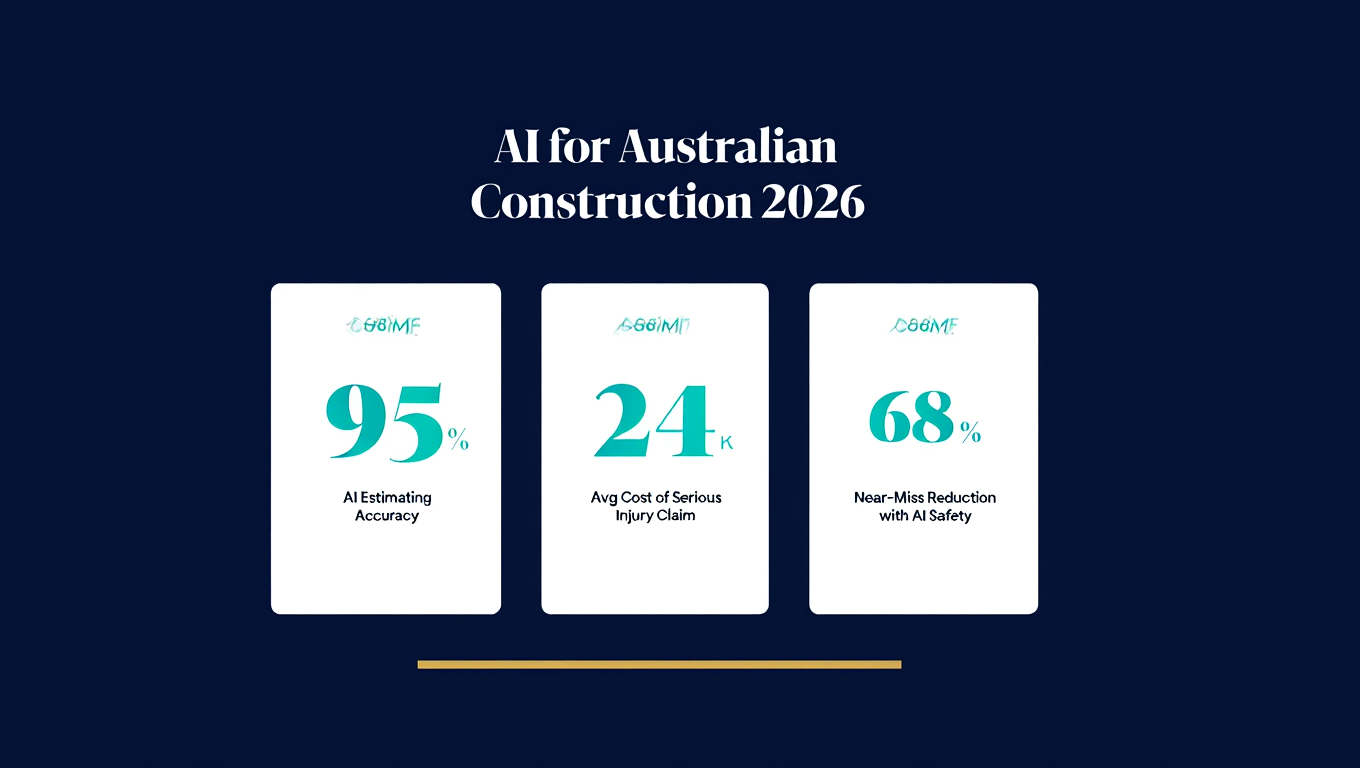
AI for Construction: How Australian Builders Are Using AI in 2026
How Australian construction companies are using AI for estimating, project management, drawings, safety, and more. Includes tool comparisons, pricing, and a 30-day adoption roadmap.
AI Agents Deep Dive: What Australian Businesses Need to Know in 2026
A comprehensive guide to AI agents and agentic AI for Australian businesses. Covers the difference between AI agents and agentic AI, real examples, implementation frameworks, platforms, courses, and ROI data.
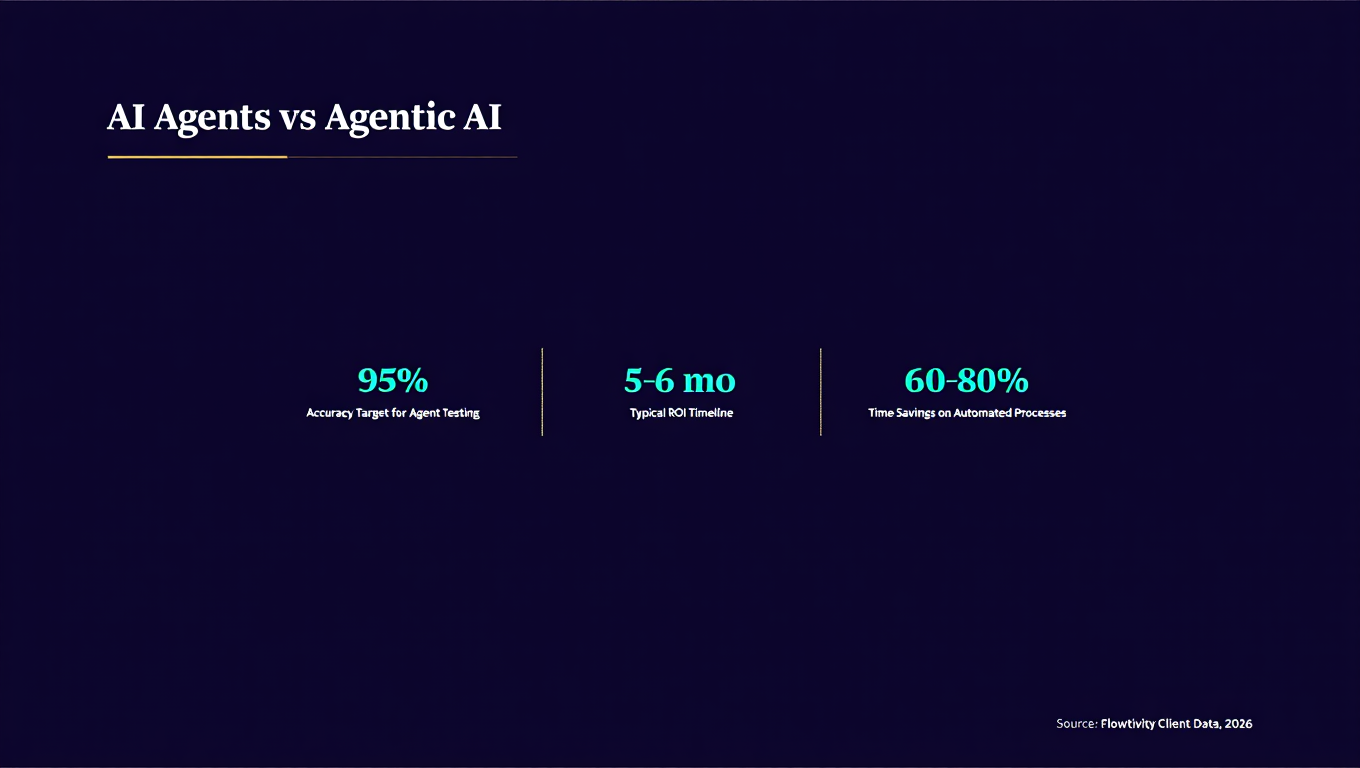
Step 3.7 Flash Review: We Tested StepFun's 198B Model on a DGX Spark
StepFun released Step 3.7 Flash on May 29, 2026. We deployed it on our NVIDIA DGX Spark within 24 hours. 100% tool call success rate, SWE-Bench PRO 56.3, ClawEval 67.1 (first place). Here is our first-hand review with benchmark comparisons, local deployment guide, and DGX Spark performance data.
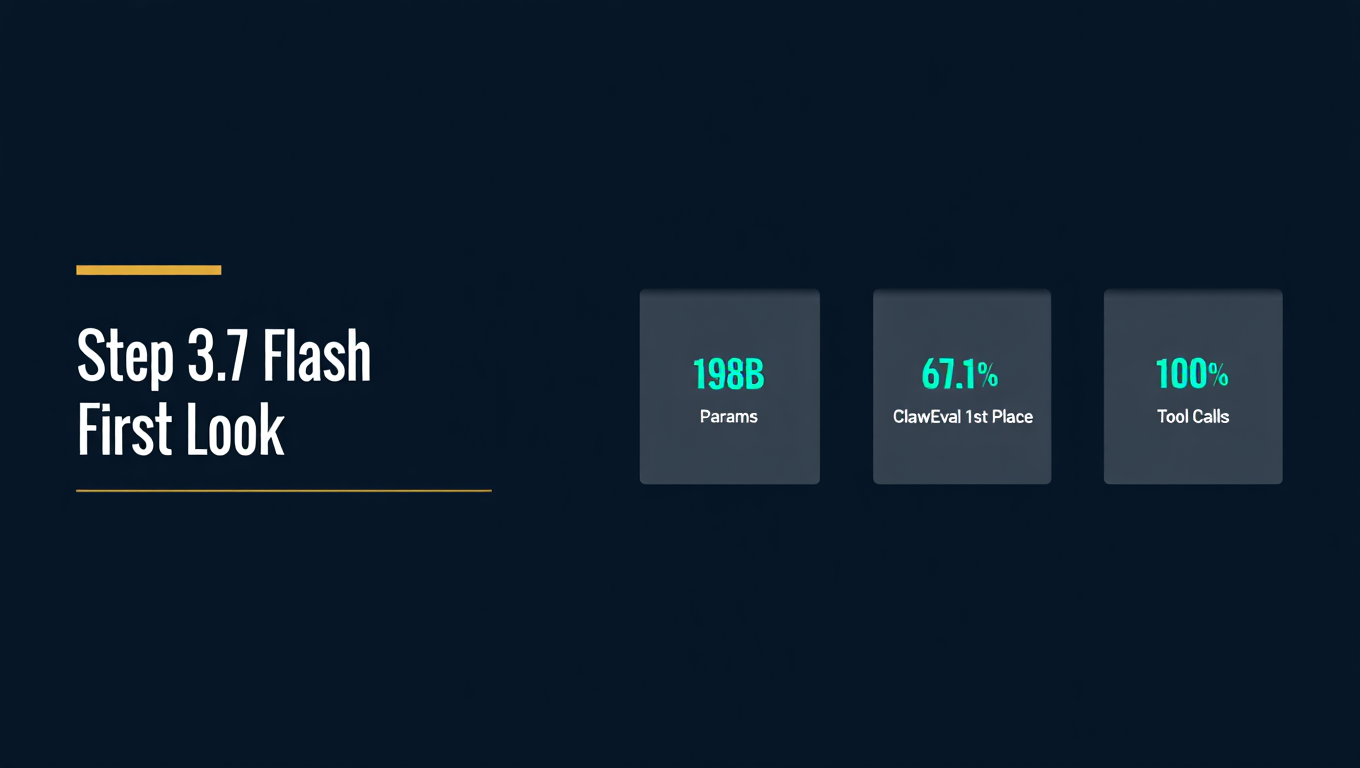
NVIDIA Polar: How to Train AI Agents Without Changing Their Code
NVIDIA's Polar framework lets you train any AI agent with reinforcement learning without code changes. A 4B model gained 22.6 points on SWE-Bench using simple GRPO.
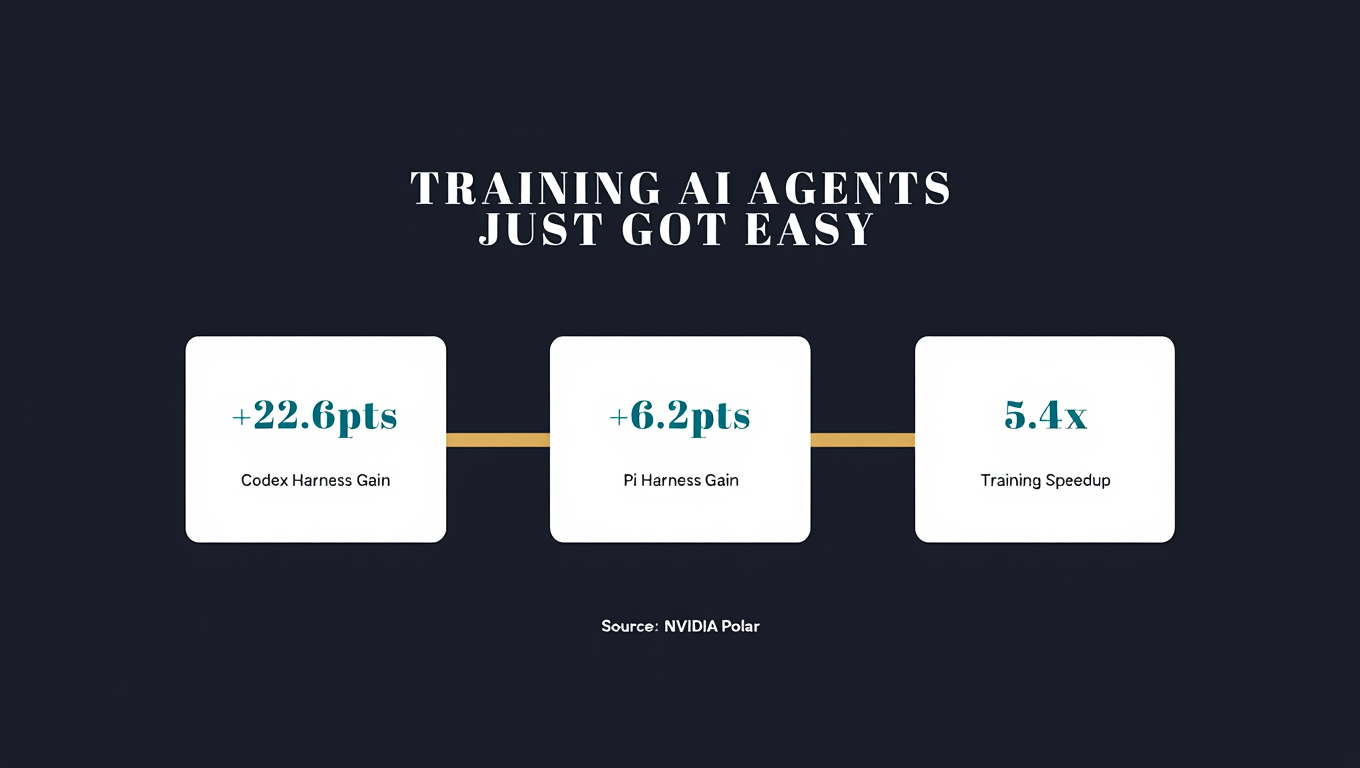
We Benchmarked Our AI Agent Against Its Own Local LLM and the Results Blew Us Away
We ran 18 tests across 3 models: a cloud frontier model and two local LLMs on our own hardware. The $0 local model tied the cloud. Here's the full breakdown.
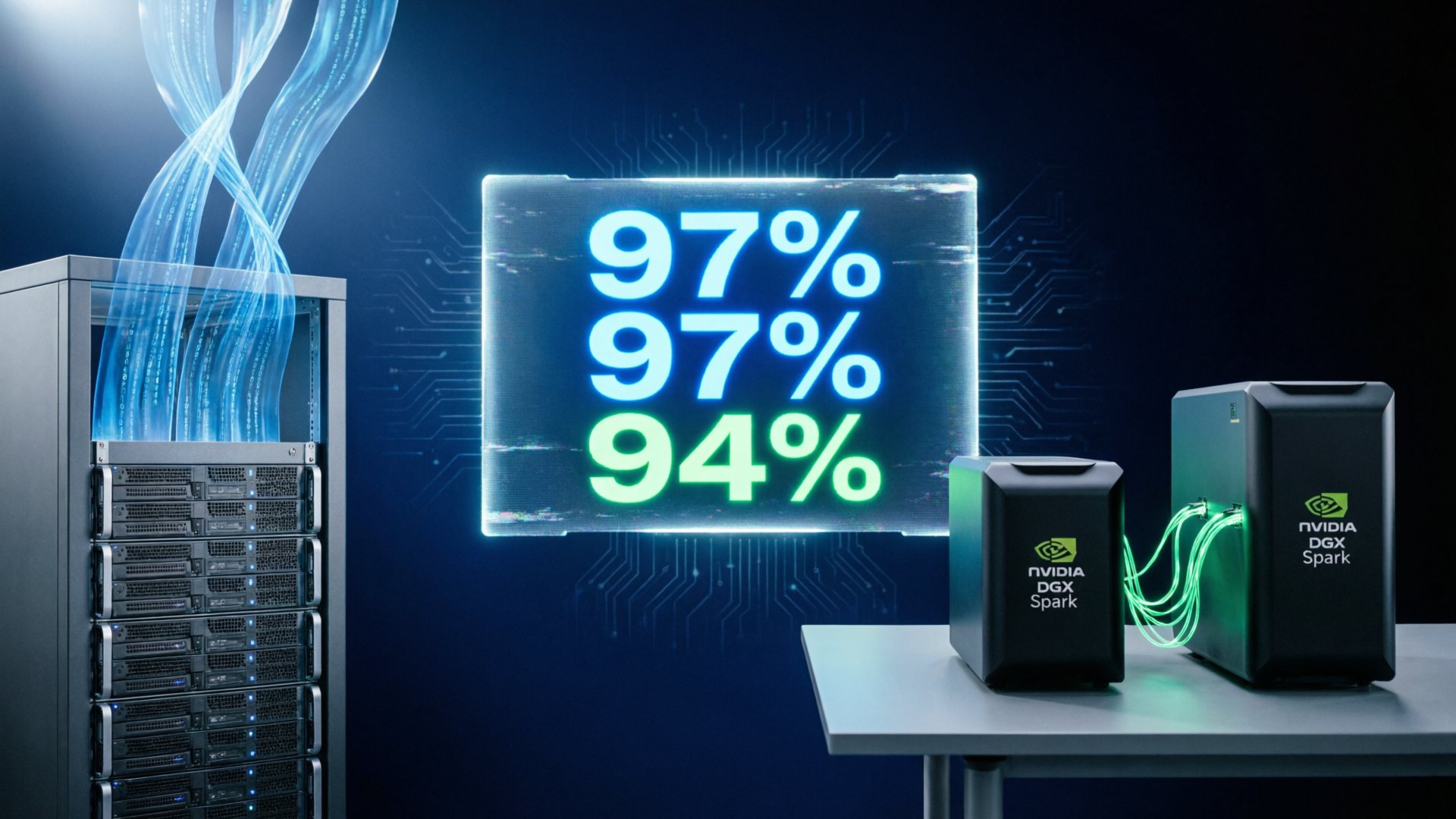
How We Optimised a 229 Billion Parameter AI Model on a Desktop Computer: A 12-Phase Journey
We deployed MiniMax M2.7 (229B params) on a single NVIDIA DGX Spark and spent a day optimising it. Thread tuning added 12% speed, --no-mmap cut cold start from 8 min to 90 seconds, and we discovered a GCC bug on Grace CPU. Full breakdown of what worked and what did not.
Google Just Published Its Official AI Search Optimisation Guide: Here Is What Actually Works
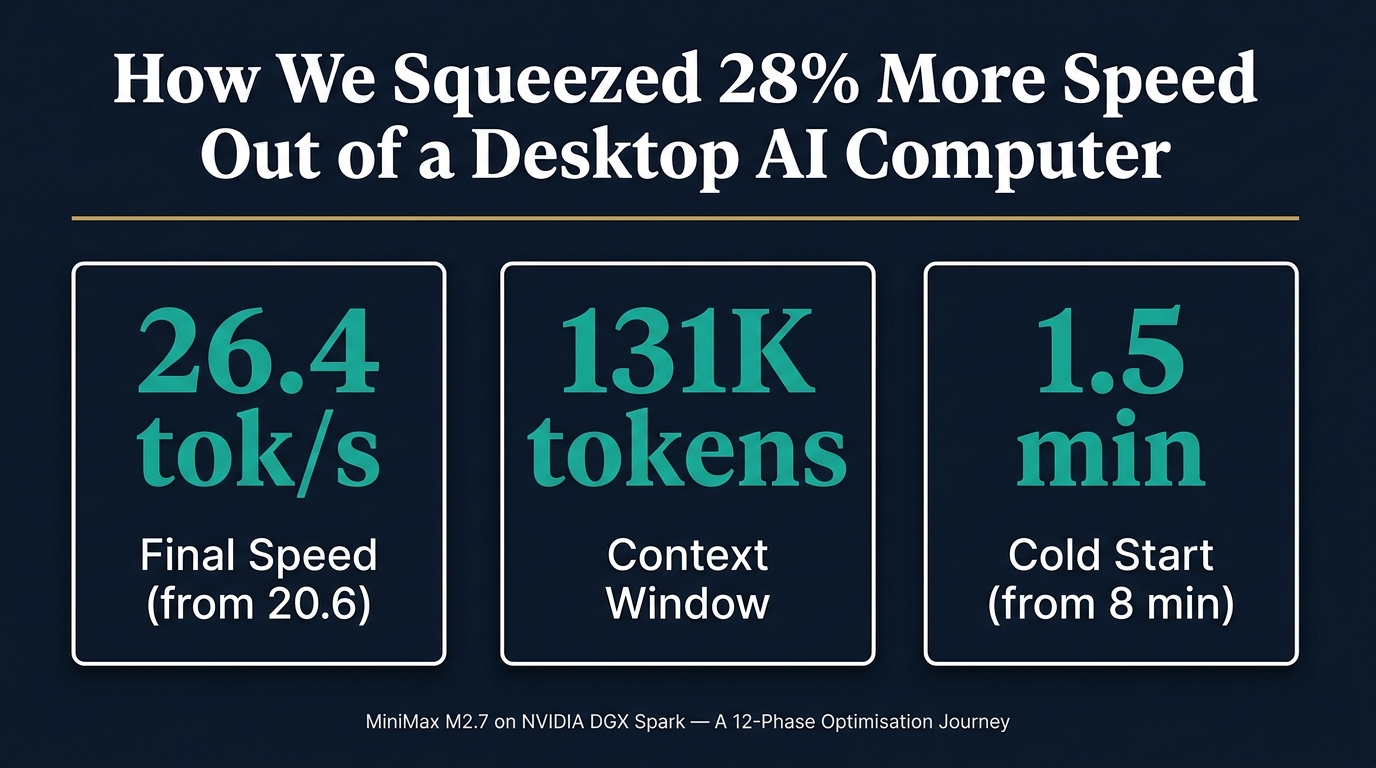
Google's May 2026 AI optimisation guide debunks AEO myths, says llms.txt and content chunking are unnecessary, and emphasises non-commodity content as the key to appearing in AI Overviews and AI Mode. Practical takeaways for Australian businesses.
We Hit 120 Tokens Per Second With 1 Million Token Context on a Single Desktop AI Computer
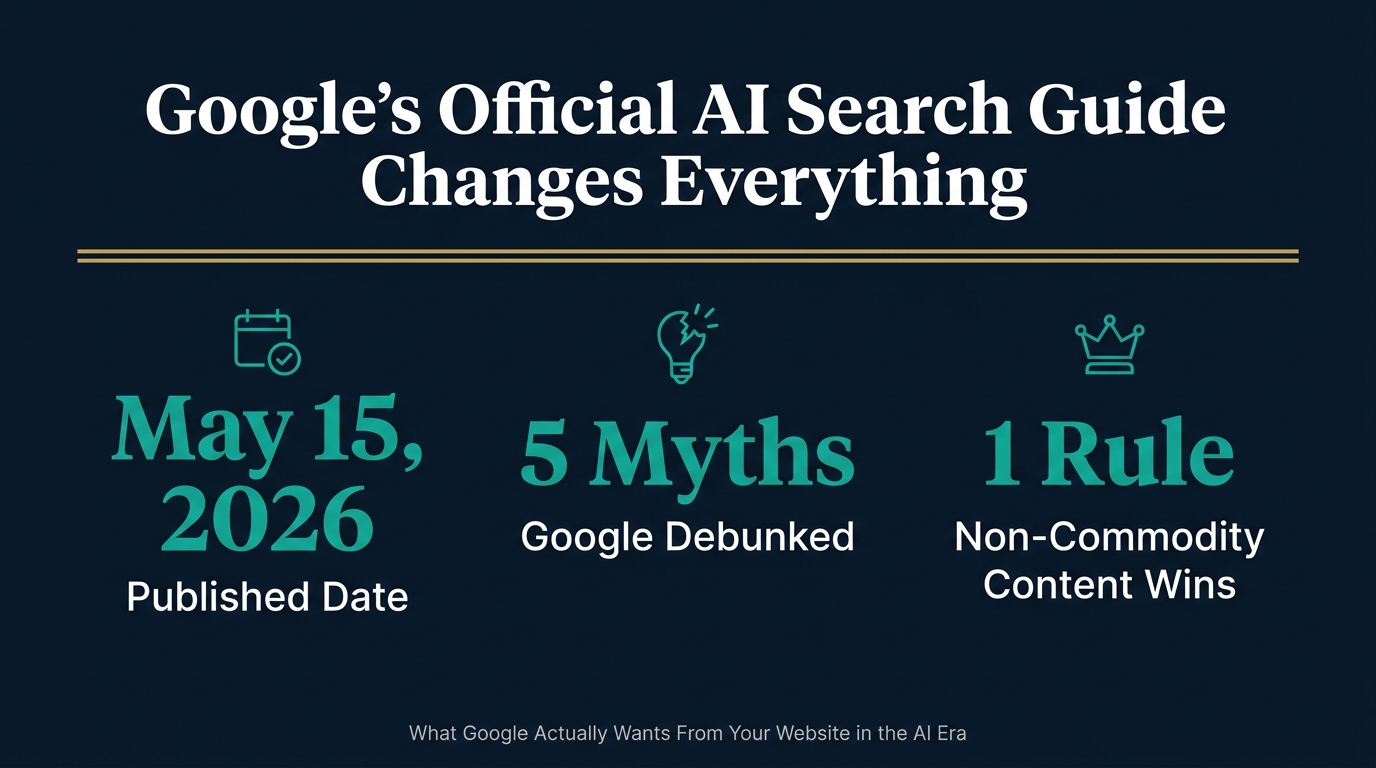
How we achieved 120 tok/s with 1 million token context on a single NVIDIA DGX Spark using Atlas and Qwen 3.6 NVFP4. Zero regression, 100% retrieval accuracy, zero per-token cost.
Why We Run Two AI Models on Two Desktop Computers Instead of One Big One
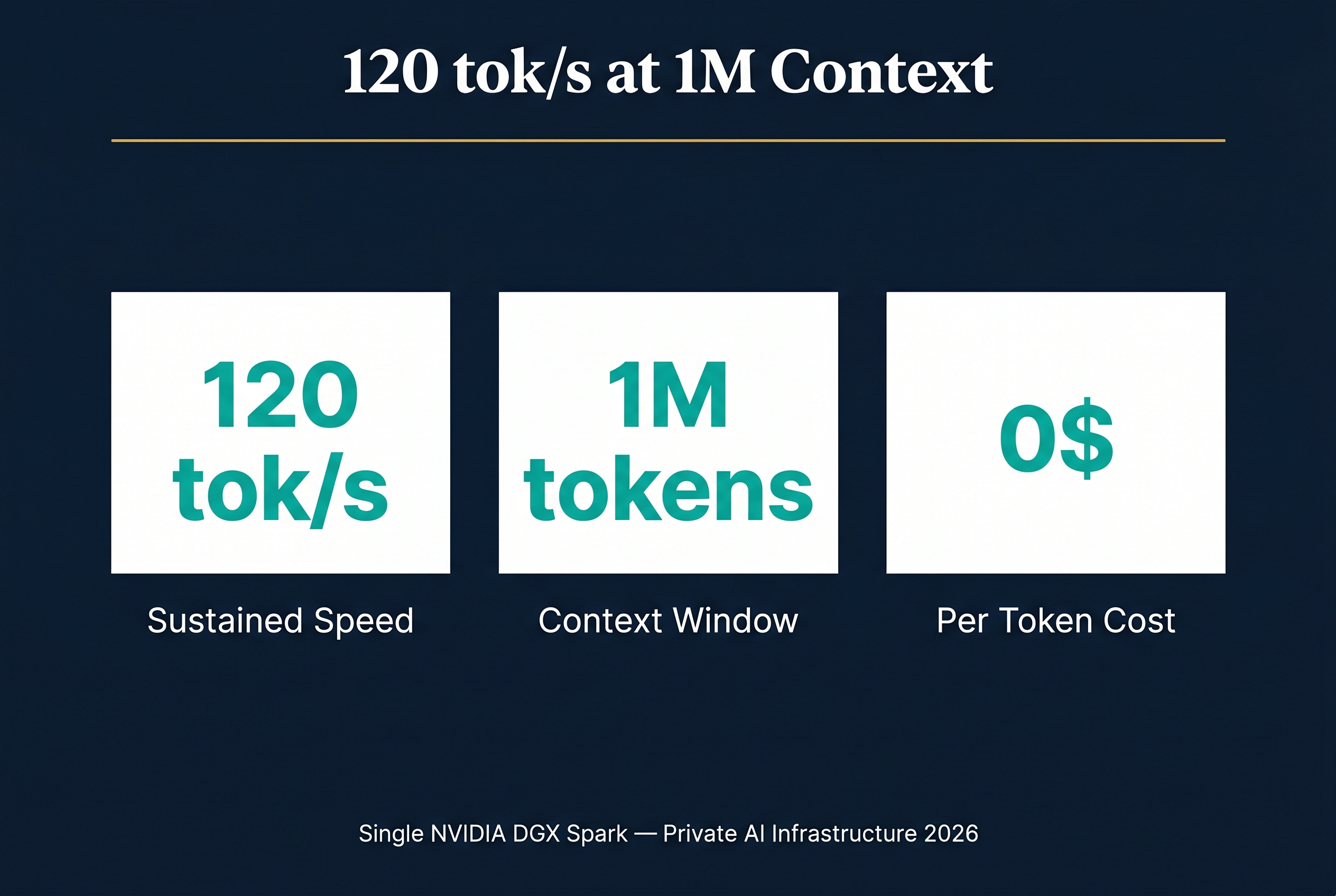
How a two-model private AI cluster using Qwen 3.6 (120 tok/s) for speed and Step 3.5 Flash (20.6 tok/s) for reasoning outperforms a single-model setup. Built on two NVIDIA DGX Sparks for $18K AUD with zero ongoing costs.
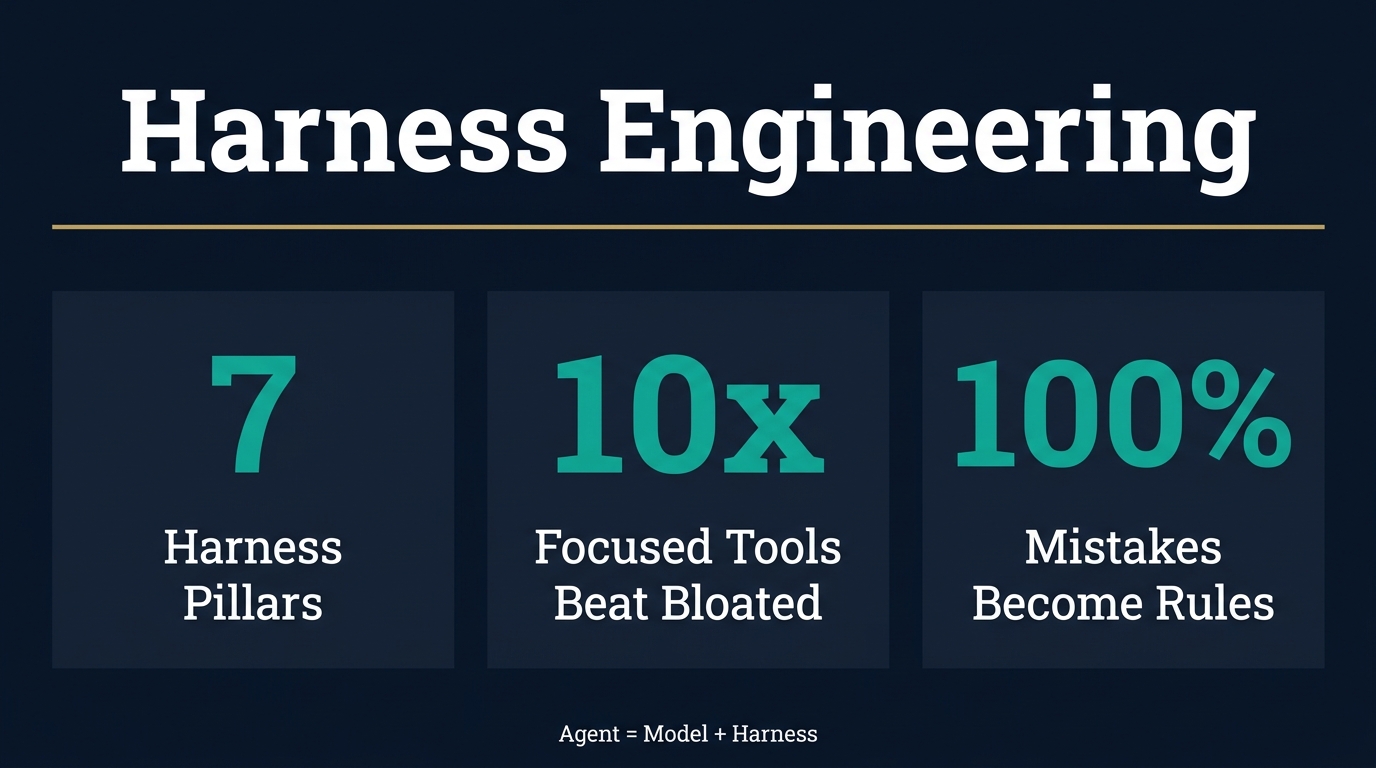
Harness Engineering: Why Your AI Agent Scaffolding Matters More Than the Model
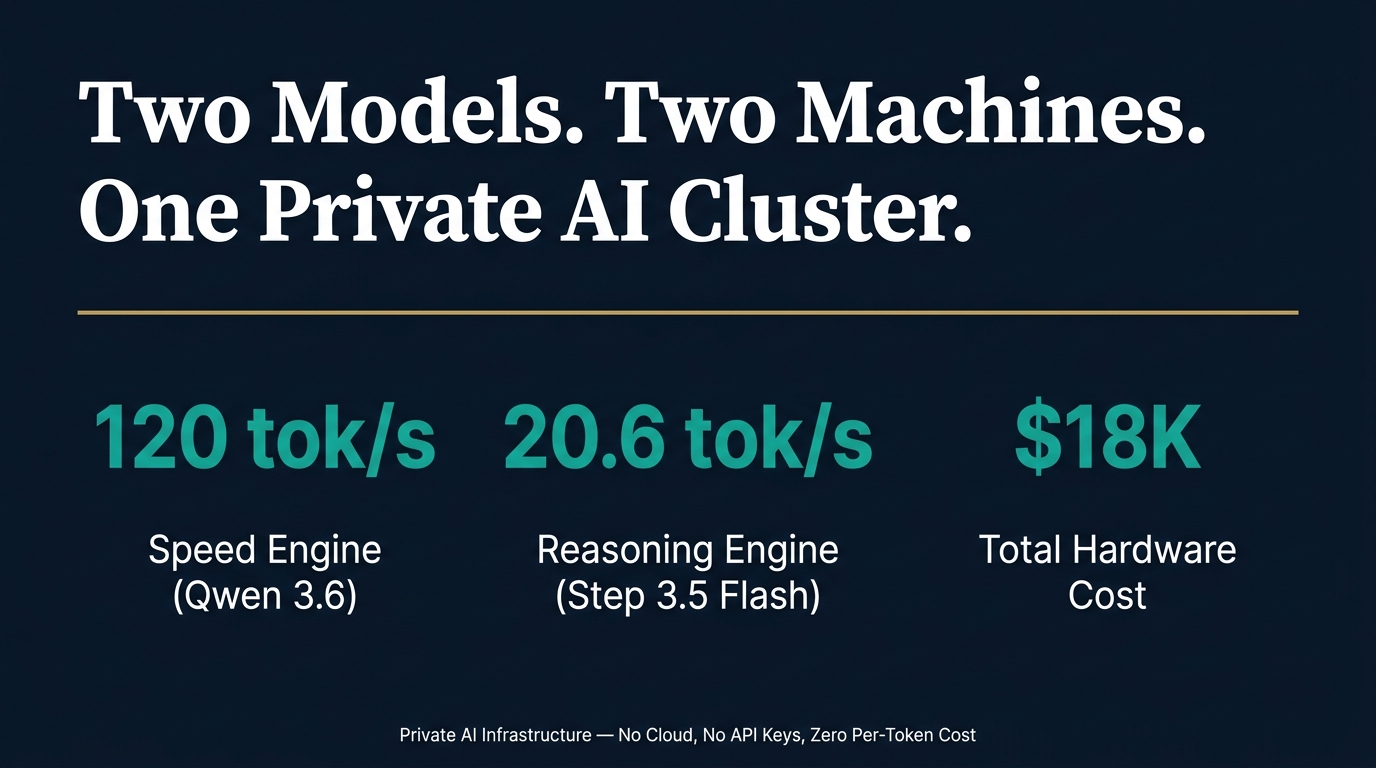
A decent model with a great harness beats a great model with a bad harness. Harness engineering is the discipline of building the prompts, tools, hooks, sandboxes, and feedback loops that turn AI models into reliable agents.
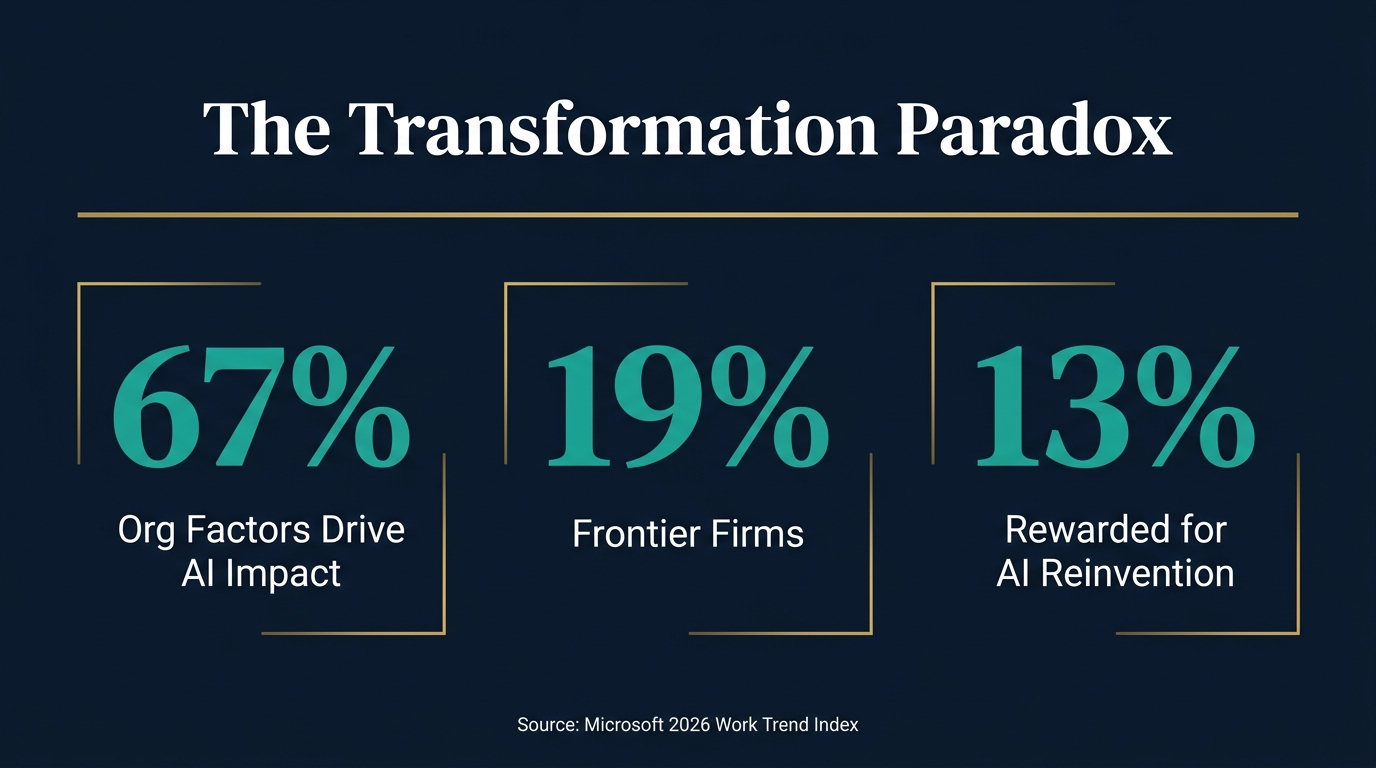
The Transformation Paradox: Why Your AI-Ready Employees Are Being Held Back by Your Organisation
Microsoft surveyed 20,000 workers and found 58% are producing work they could not do a year ago. Yet only 13% are rewarded for reinventing work with AI. The problem is not your people. It is your organisation.
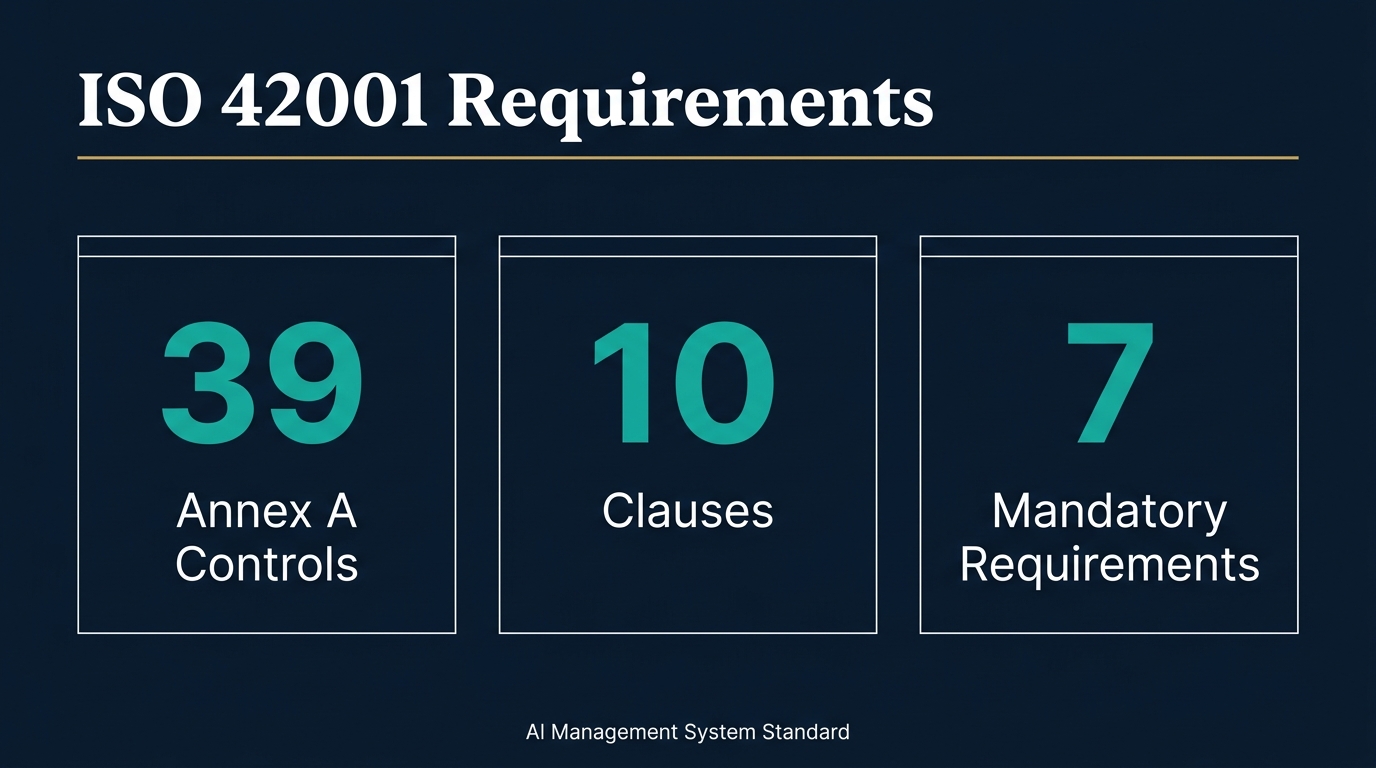
ISO 42001 AI Management System Requirements: What Organisations Building Agentic Employees Need to Know
Complete guide to ISO 42001 AI Management System requirements. Covers all 10 clauses, 39 Annex A controls, and practical implementation guidance for organisations deploying AI agents as digital employees.
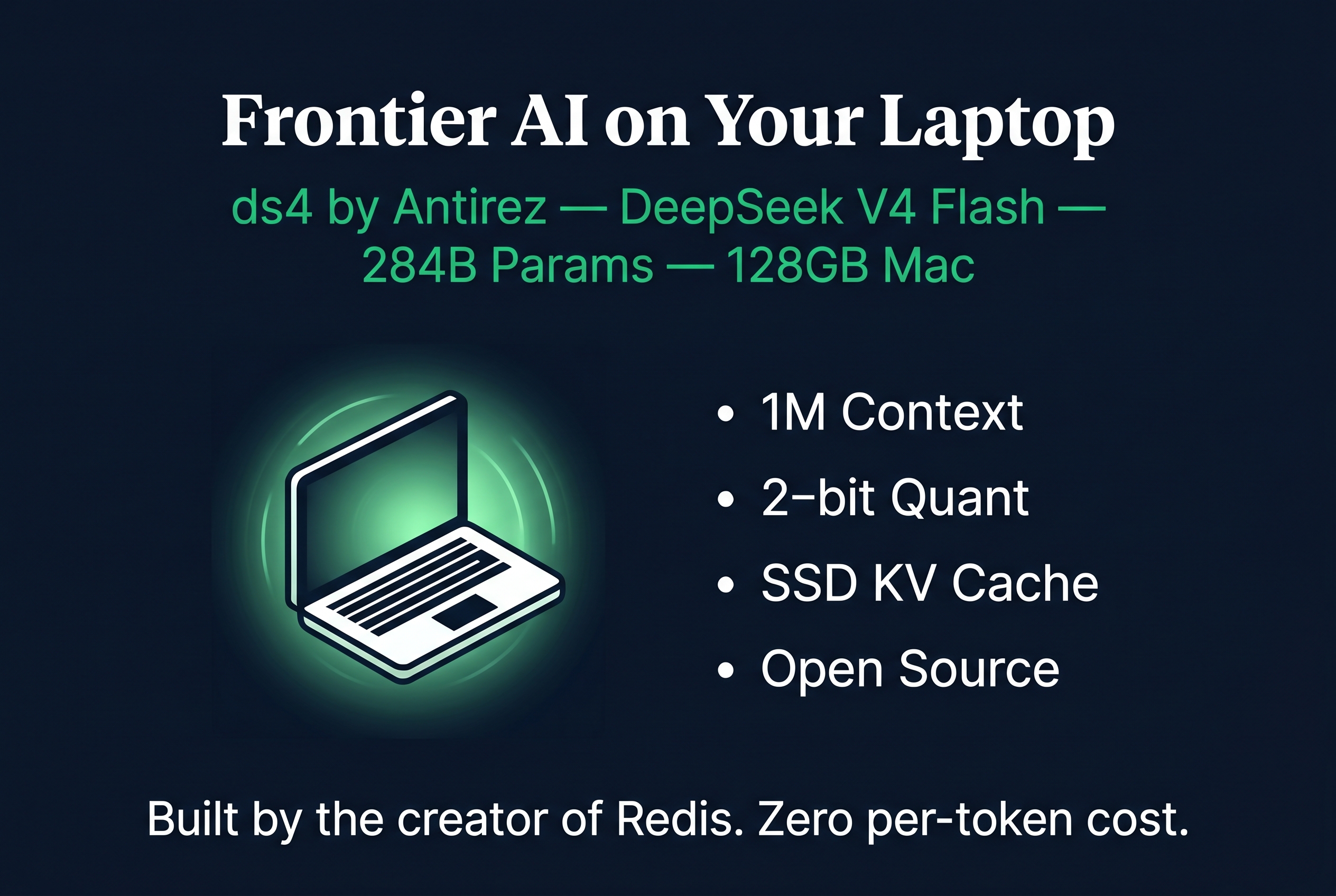
How to Run DeepSeek V4 Flash Locally: ds4 Engine Runs Frontier AI on Your Laptop
The creator of Redis just built ds4, a custom inference engine that runs DeepSeek V4 Flash (284B parameters) locally on a 128GB MacBook. Here is why this changes everything for businesses that want frontier AI without the cloud.
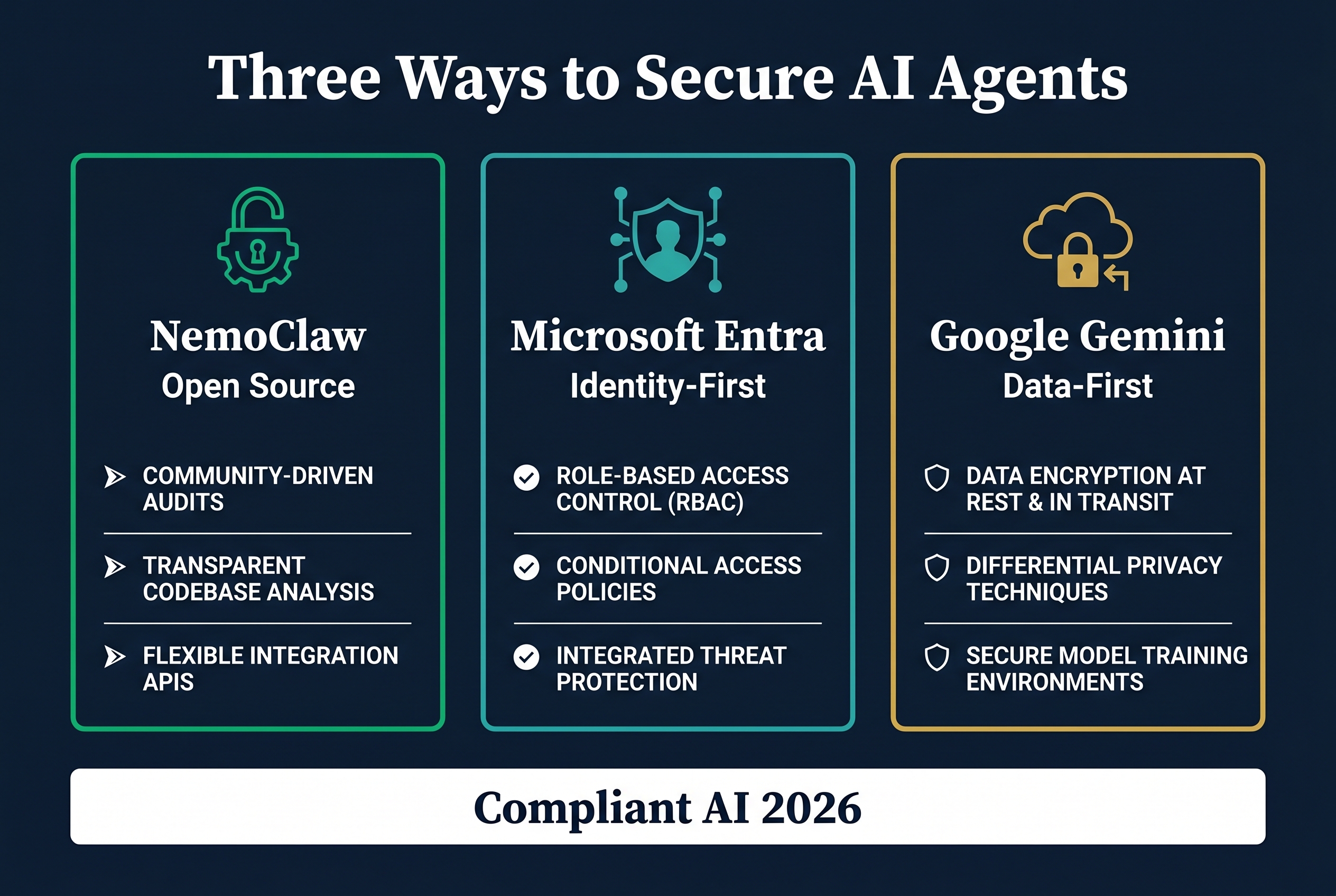
NemoClaw vs Microsoft Agent Framework 1.0 vs Gemini Enterprise Agent Platform: How to Run Compliant AI Agents in 2026
Three platforms, three philosophies. NVIDIA open-source NemoClaw, Microsoft Agent Framework 1.0 (now production-ready), and Google Gemini Enterprise Agent Platform represent the three ways to run compliant AI agents in 2026.
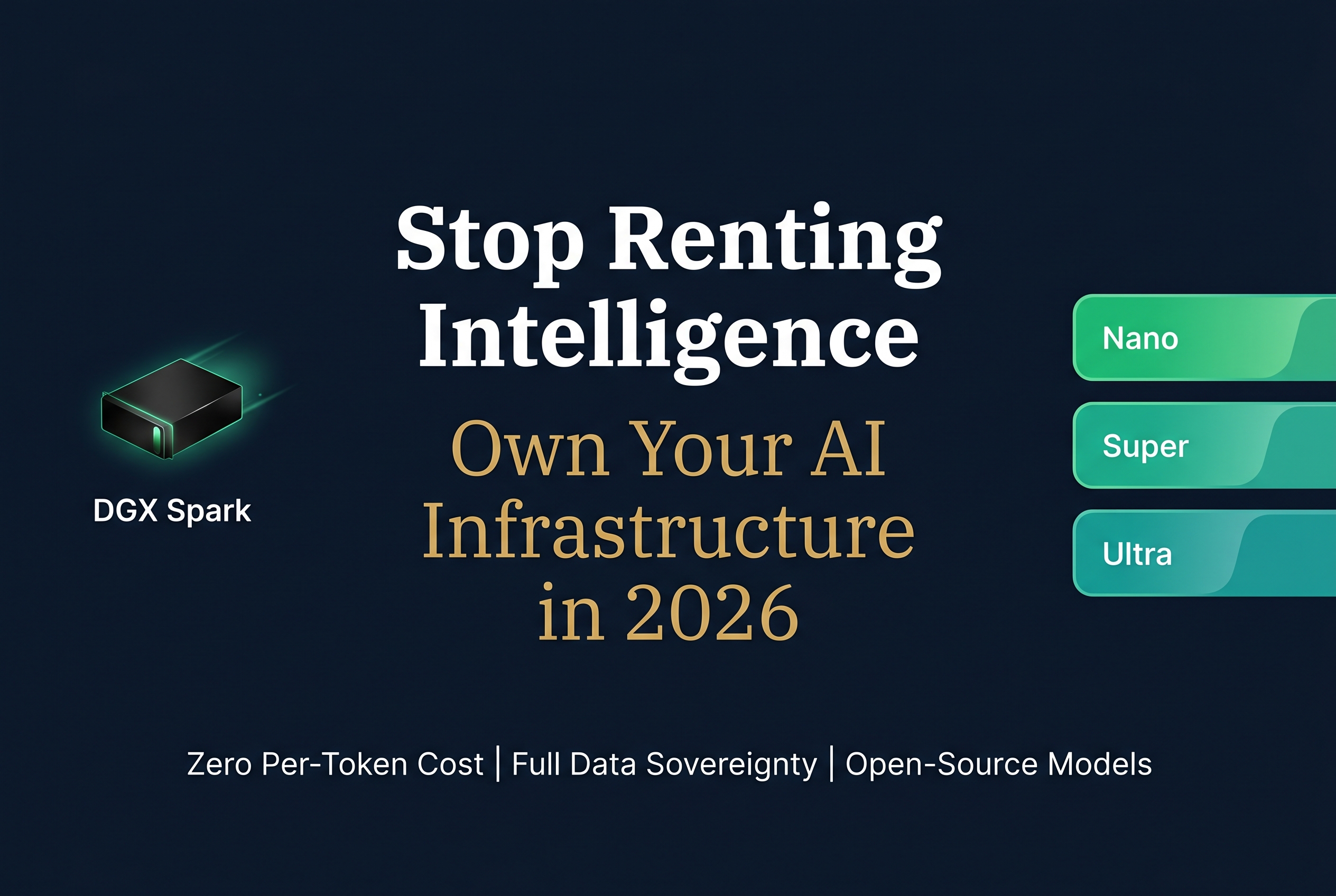
How to Build Your Own Private AI Infrastructure in 2026: Stop Renting Intelligence
Australian businesses are spending $500-$8,000 per month renting AI intelligence from OpenAI and Google. Here is how to own your AI infrastructure outright with NVIDIA DGX Spark, run Nemotron and open-source models locally, and eliminate per-token costs forever.
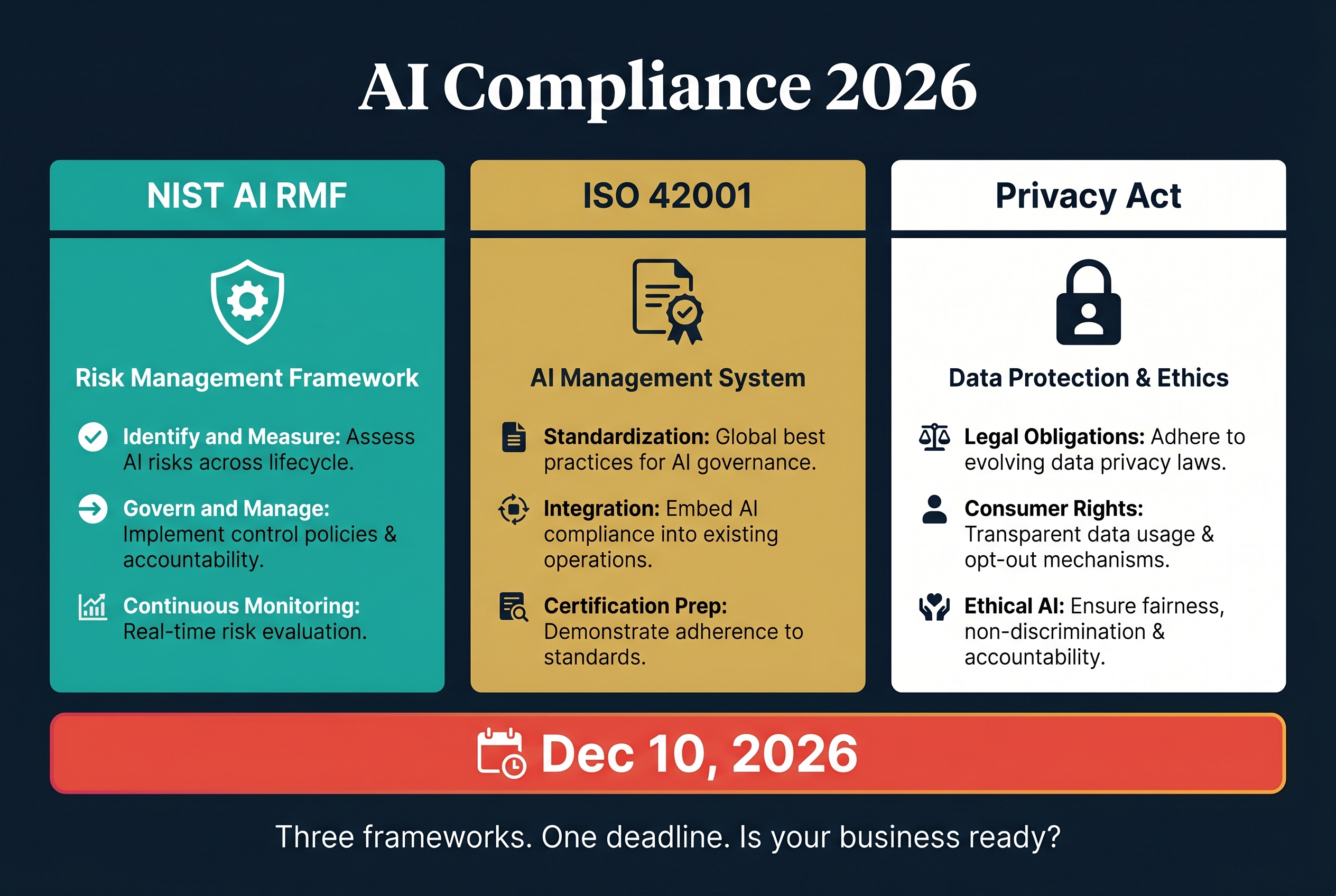
AI Regulation Is Coming to Australia: What NIST, ISO 42001, and the Privacy Act Mean for Your Business
Three major regulatory frameworks are converging in 2026 that will reshape how Australian businesses deploy AI. Here is what NIST AI RMF, ISO 42001, and the Privacy Act amendments mean for your AI strategy.
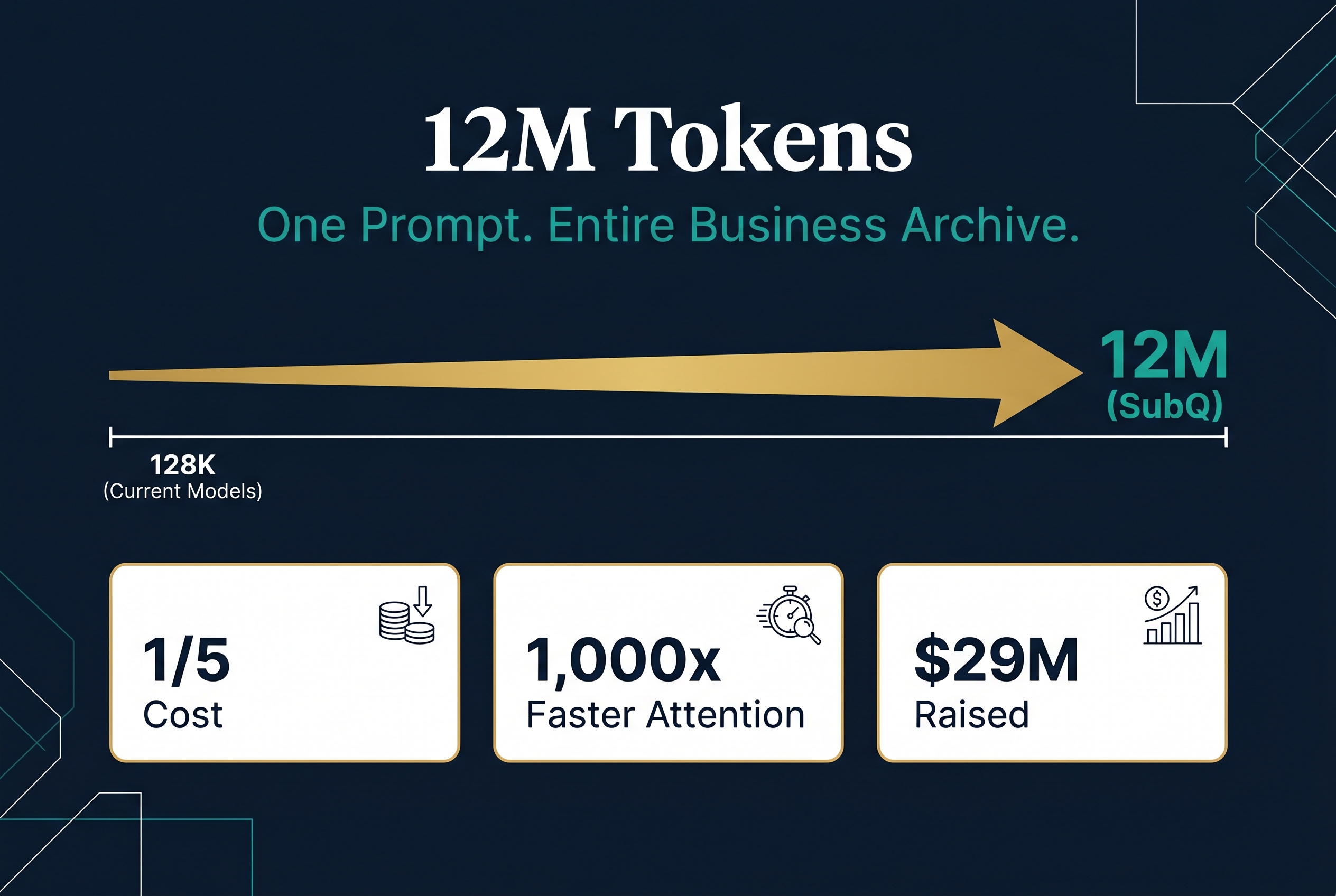
Subquadratic's 12 Million Token AI: What It Means for Australian Businesses
A Miami startup just launched an AI model with a 12 million token context window at one-fifth the cost. Here is what that means for your business and why context windows matter more than you think.
One email, most weeks
What actually changed in AI and what to do about it. No pitch, and you can leave in one click.