Guides
35 articles
Explainers and how-tos. Start here if you are new to a subject and want the working knowledge rather than the news.
Latest
Showing 1 to 20 of 35
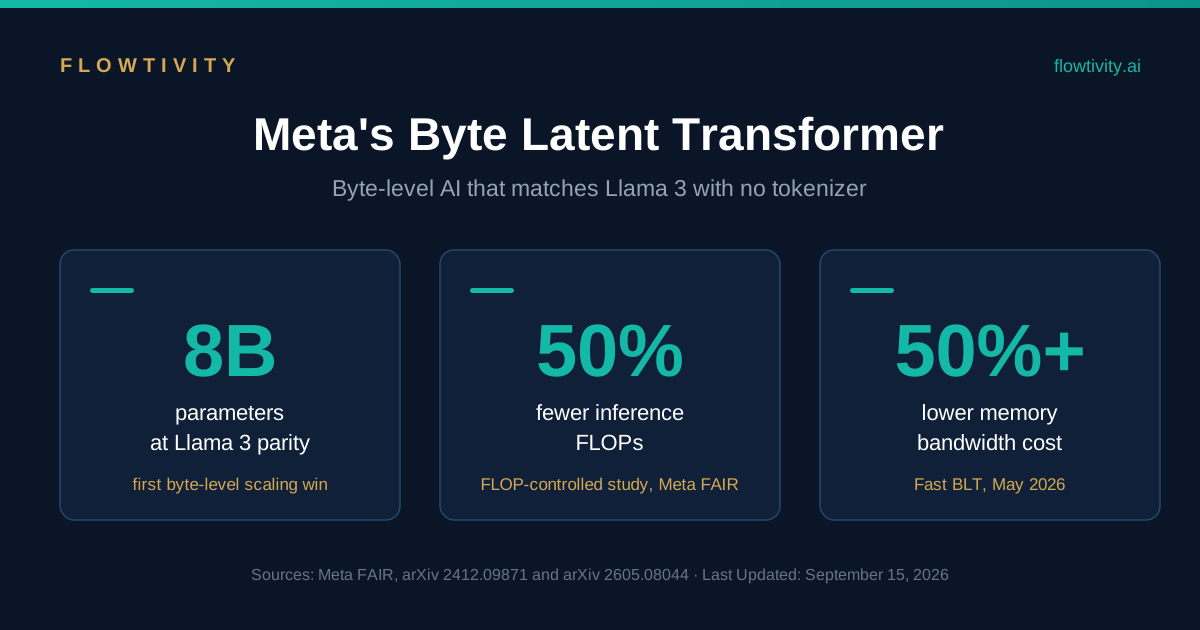
Meta's Byte Latent Transformer Explained: Why Byte-Level Models Could Replace Tokenization
Meta's Byte Latent Transformer removes the tokenizer, matches Llama 3 at 8B scale with up to 50% fewer inference FLOPs, and Fast BLT cuts memory bandwidth by over 50% again.
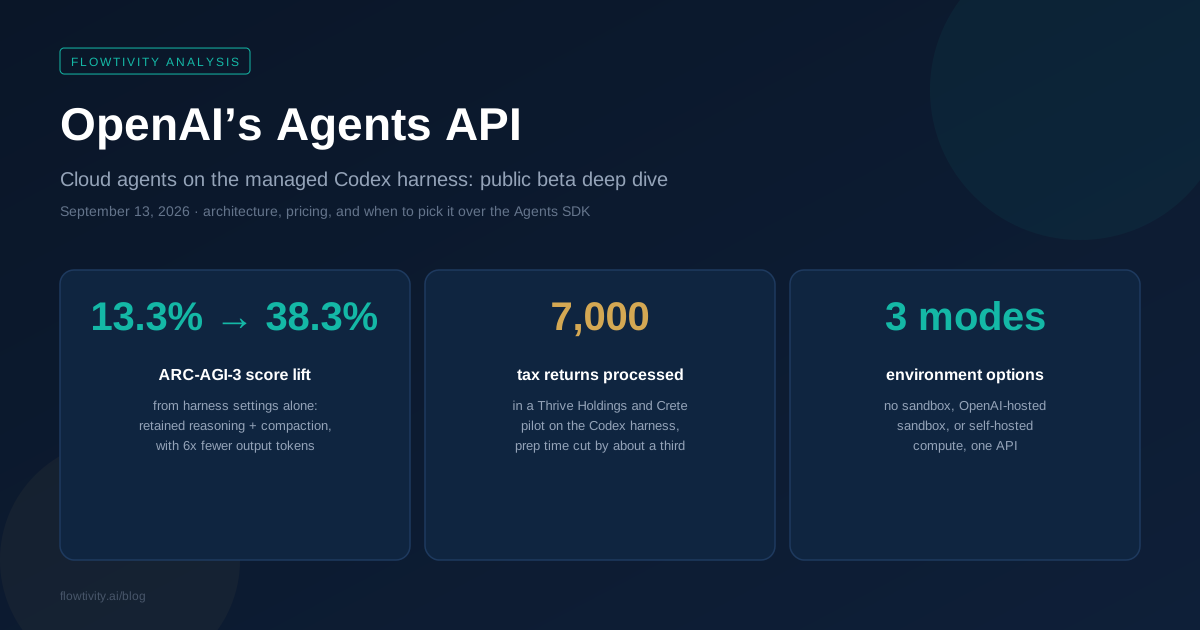
OpenAI's Agents API Explained: Cloud Agents on the Managed Codex Harness
OpenAI's Agents API runs the open source Codex harness as a managed cloud service: durable sessions, automatic context compaction, multi-agent orchestration, and optional sandboxes. How the architecture works, what it costs, and when to choose it over the Agents SDK.
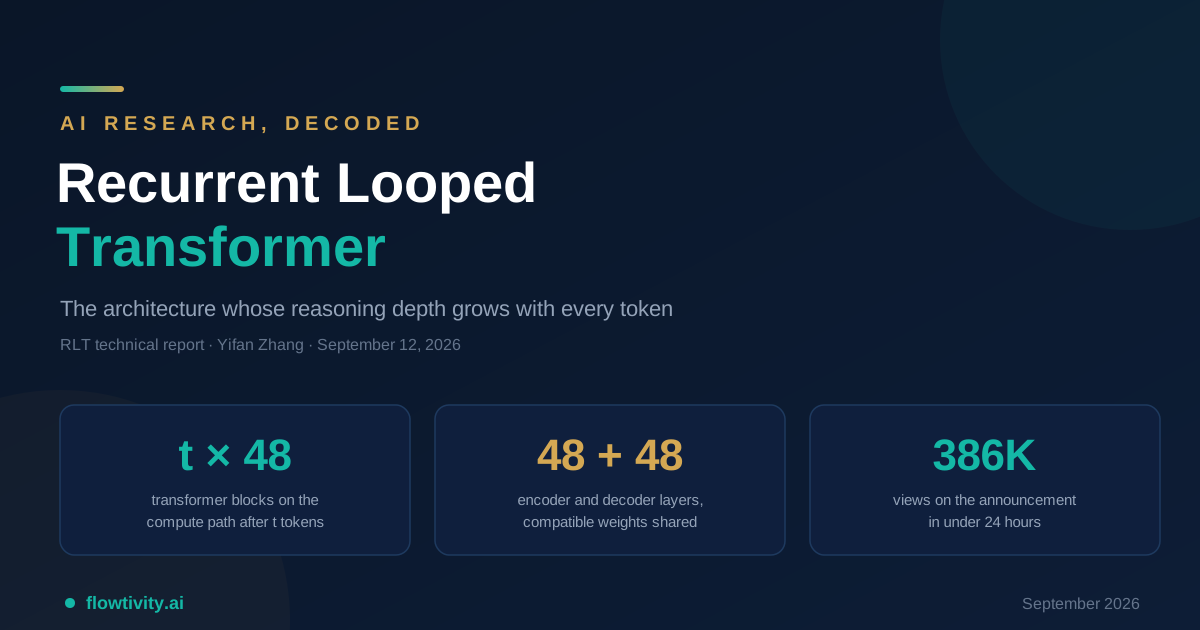
Recurrent Looped Transformer Explained: What Infinite Reasoning Depth Actually Means
The Recurrent Looped Transformer (RLT) re-runs one 48-layer decoder stack recurrently, so its compute path grows to t × 48 blocks while per-token cost stays flat. Announced by Yifan Zhang on September 12, 2026, it drew 386,100 views in a day and ships no benchmarks yet. Here is the architecture, the honest reading of infinite reasoning depth, and what it means for AI agents.
Harness Engineering Explained: What Meta's Auto-RecSys Means for AI in Business
Harness engineering, the craft of building memory, scripts, and playbooks around an AI model, cut operational failures roughly 87 percent in Meta's Auto-RecSys. Here is what happened and how any business can apply it.

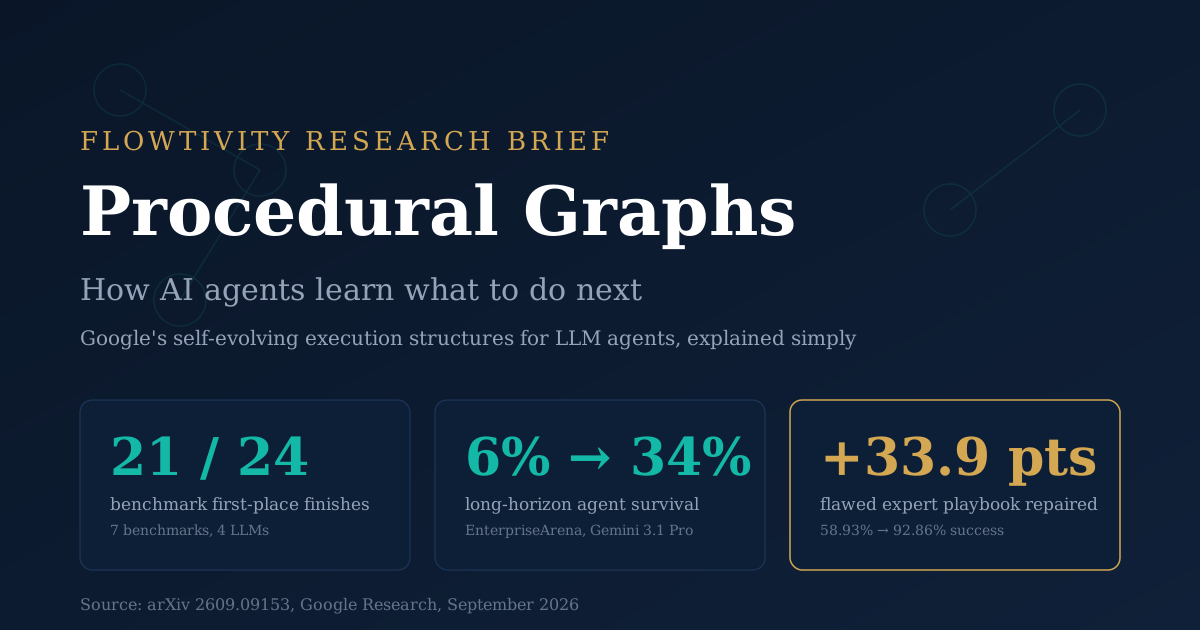
Google's Procedural Graphs, Explained Simply: The Self-Evolving Playbook for AI Agents
Google's Procedural Graphs paper gives LLM agents editable what-to-do-next knowledge as a graph, evolved automatically from execution feedback. First in 21 of 24 benchmarks.
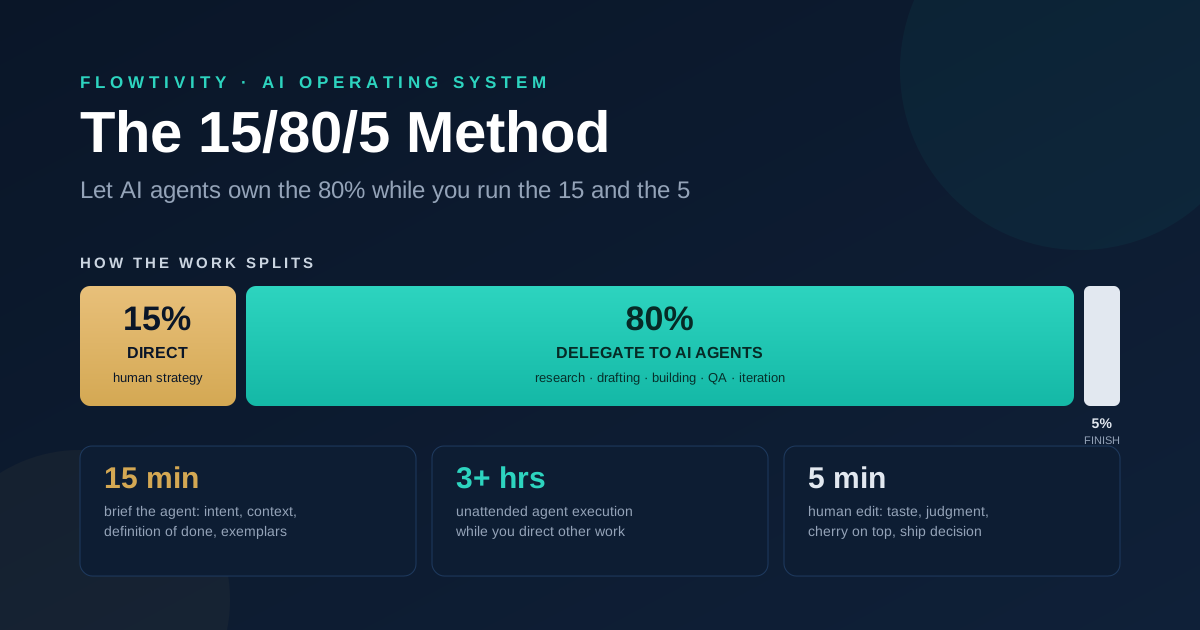
The 15/80/5 Method: Let AI Agents Own the 80%
Gary Vaynerchuk's 15-80-5 rule, expanded into a full operating methodology for AI agents: humans direct the first 15%, agents execute the 80%, humans finish the last 5%. Includes stage-by-stage mechanics, handoff gates, failure modes and first-hand production data.
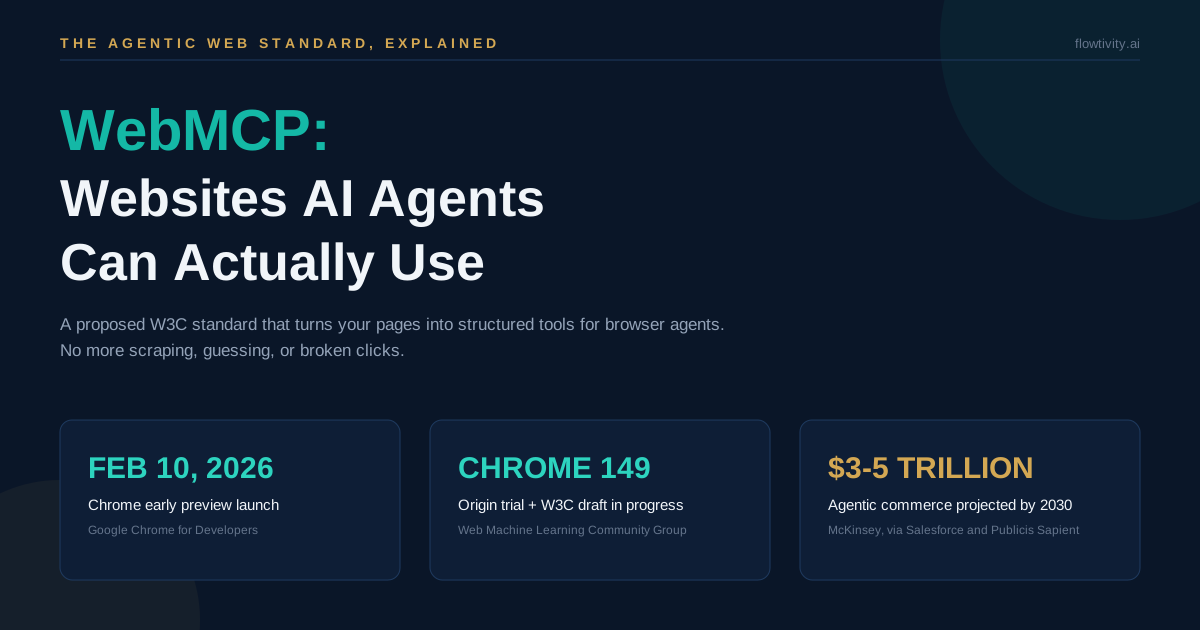
What Is WebMCP? Making Your Website Agent-Ready in 2026
WebMCP is the proposed W3C standard that turns websites into structured toolkits for browser AI agents. How it works, MCP vs WebMCP, the 2026 business case, and a six-step plan to make your site agent-ready.
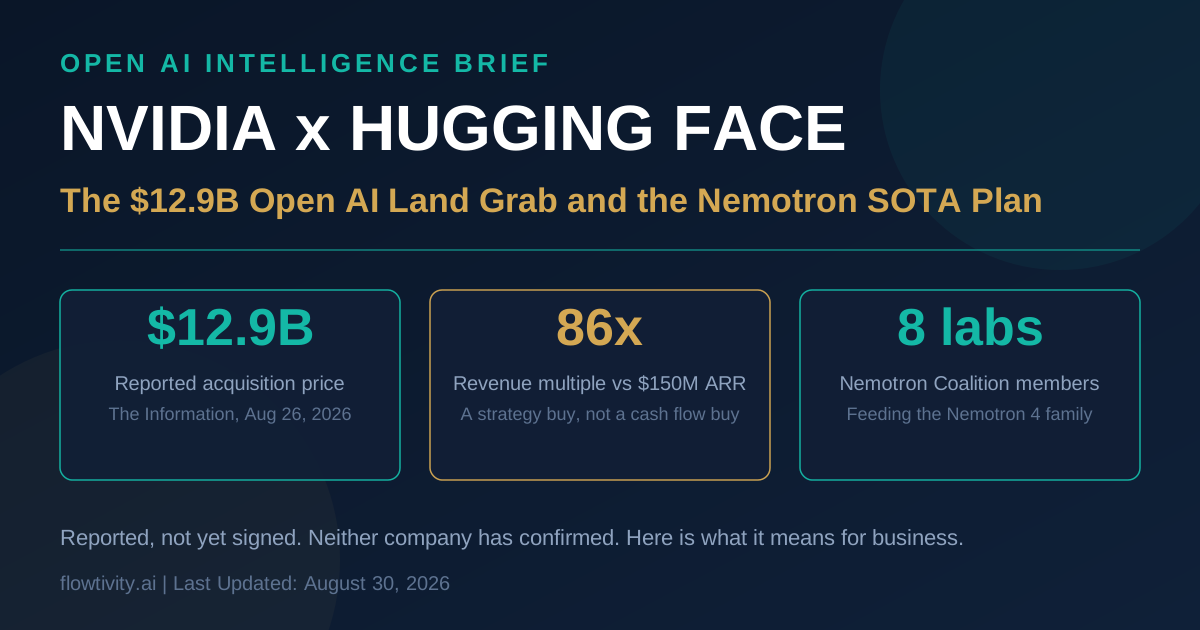
Nvidia's $12.9 Billion Hugging Face Deal and the Nemotron Plan, Explained
Nvidia has reportedly agreed to buy Hugging Face for $12.9 billion. What the deal covers, how the Nemotron Coalition plans to reach state of the art, and what it means for businesses building on open AI models.
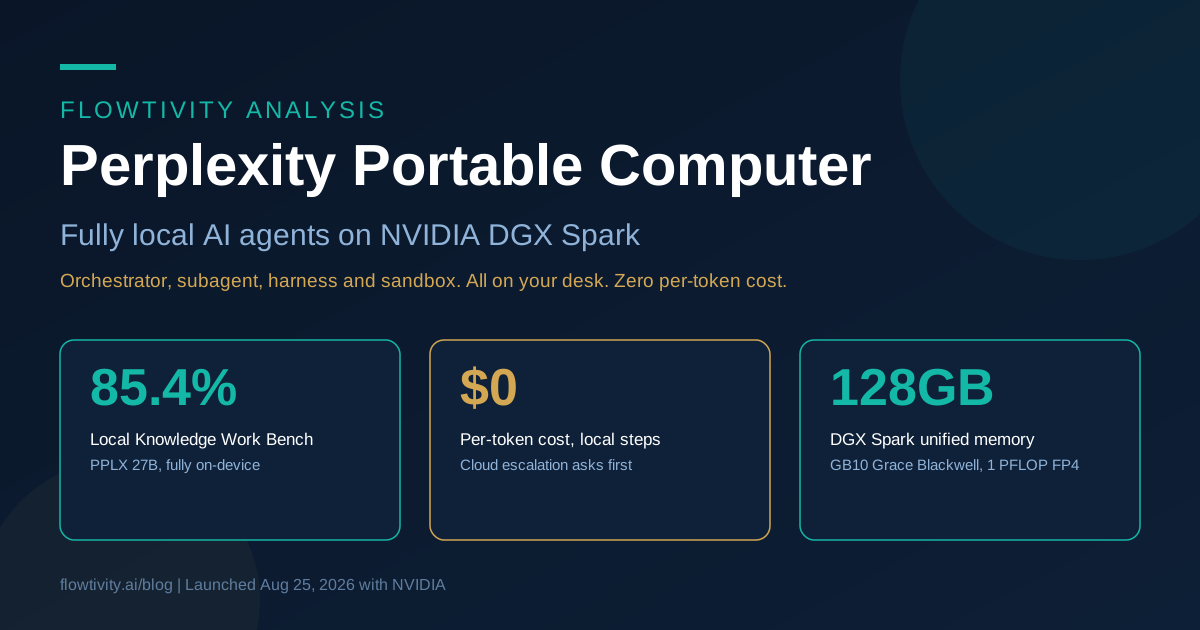
Perplexity Portable Computer on DGX Spark: Fully Local AI Agents, Explained
Perplexity Portable Computer runs the entire agent stack: orchestrator, models, harness, and sandbox, locally on NVIDIA DGX Spark with zero per-token costs. What ships, what the benchmarks say, and who should run it.
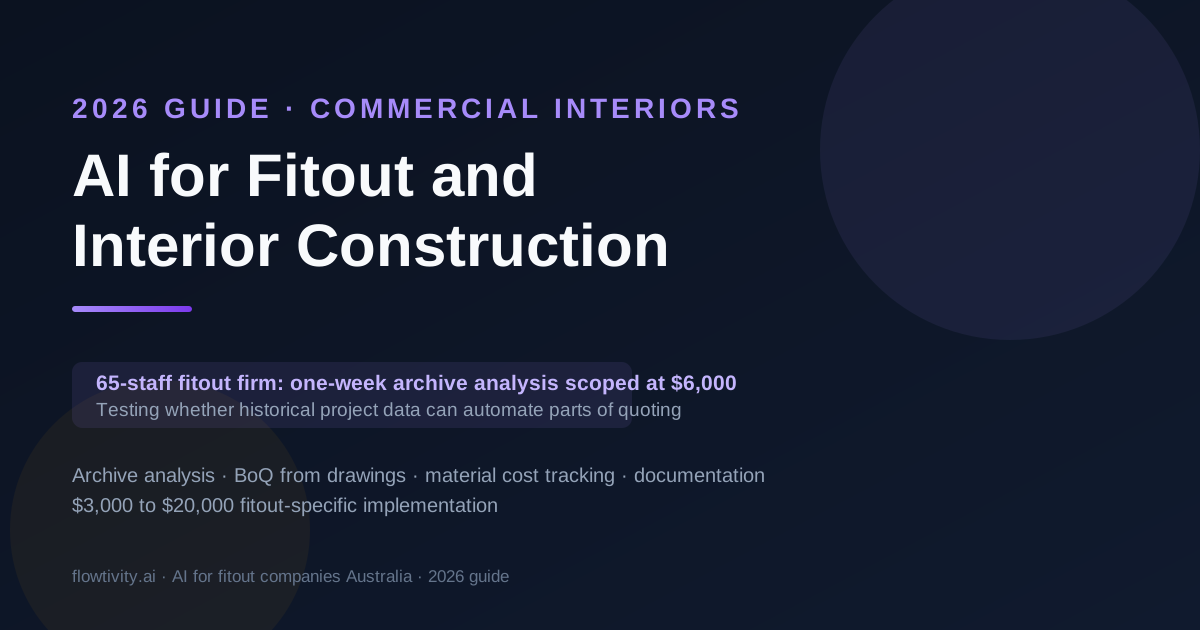
AI for Fitout and Interior Construction Companies in Australia: 2026 Guide
AI for Australian fitout companies: archive analysis, BoQ generation from drawings, material cost tracking. Includes a real $6,000 archive analysis scoped for a 65-staff firm. Pricing from $3,000.
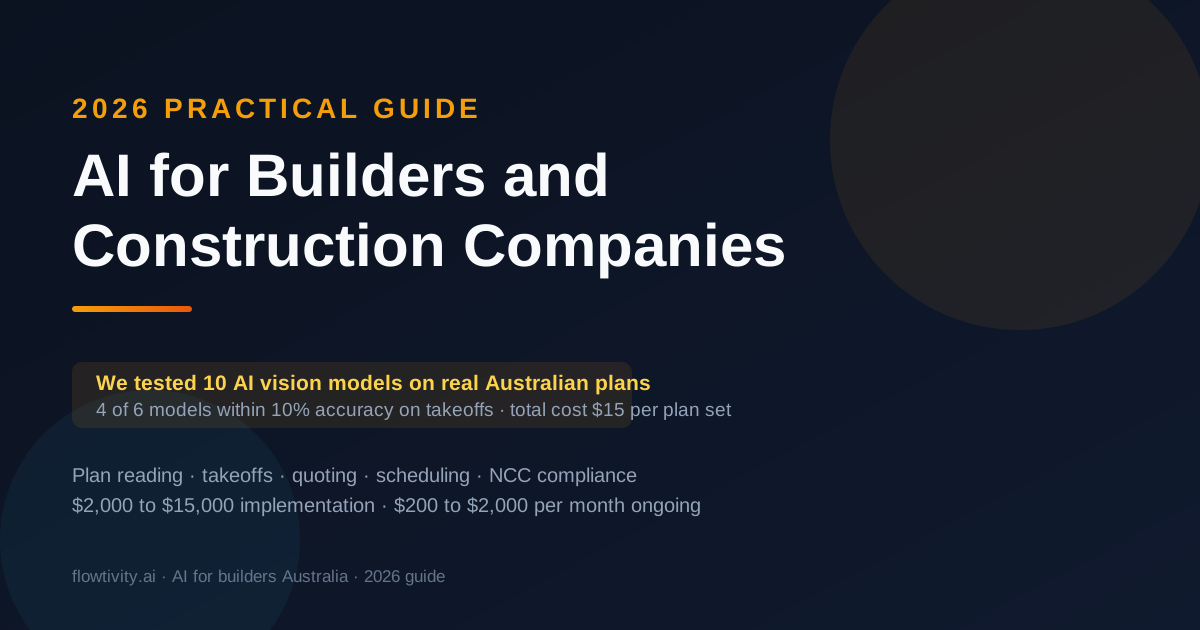
AI for Builders and Construction Companies in Australia: 2026 Practical Guide
How Australian builders use AI for plan reading, takeoffs, quoting and compliance. We tested 10 vision models on real plans: 4 of 6 within 10% accuracy at $15 per plan set. Pricing included.
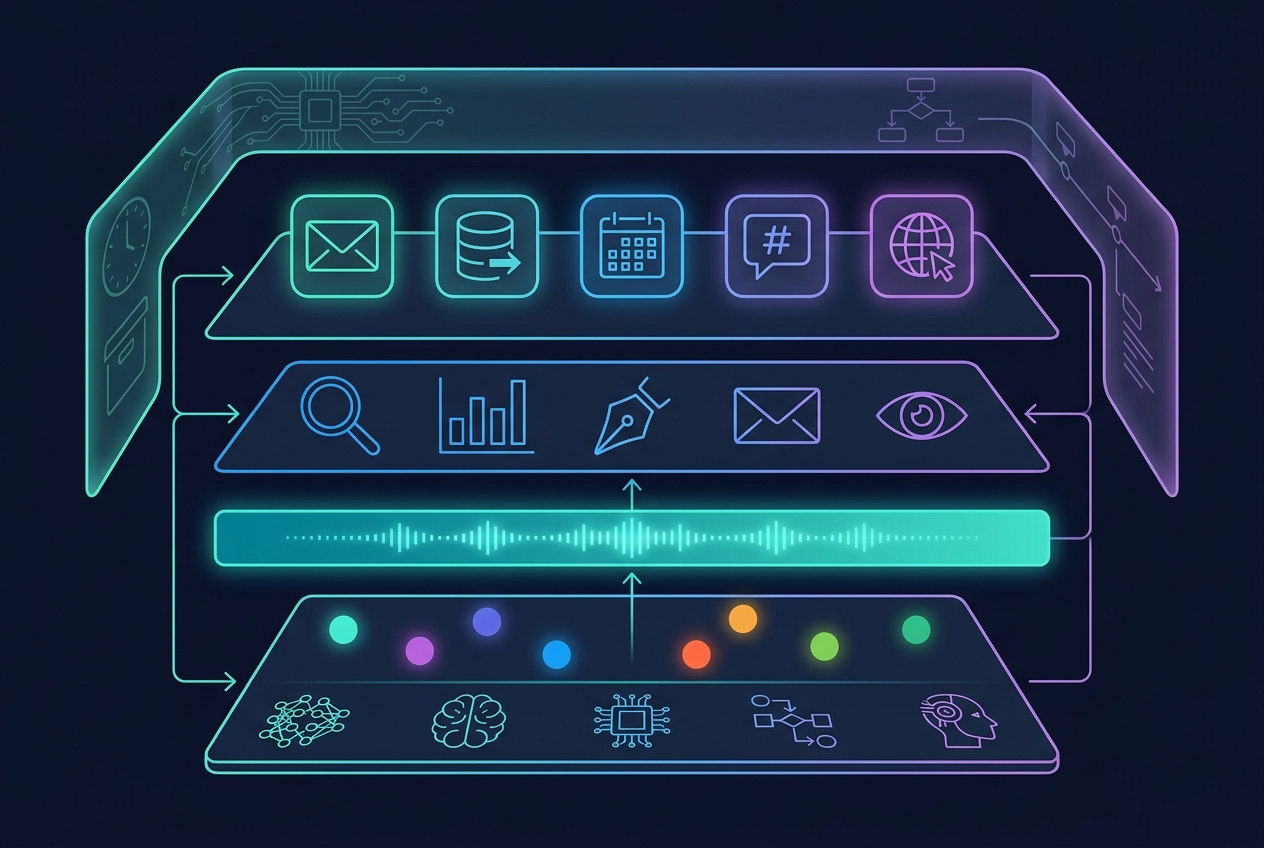
How to Choose an AI Consultant in Australia (Without Wasting Money)
Practical guide for Australian businesses evaluating AI consultants. Red flags to watch for, questions to ask, and how to avoid costly mistakes when hiring an AI automation partner.

AI Automation Cost in Australia: Complete Pricing Guide 2026
Real-world pricing for AI automation and AI consulting services in Australia. Understand what you should pay for workflow automation, AI agents, and ongoing support in 2026.
AI Consultant Gold Coast: How to Choose the Right Partner in 2026
Complete guide to finding and evaluating AI consultants on the Gold Coast. What to look for, realistic costs, and why local expertise matters for AI automation in Queensland businesses.
Kimi K2.7 Complete Review: Benchmarks, Cost, and Local Inference
Kimi K2.7 achieves GPT-5.5-class performance at a fraction of the cost. Full review with benchmarks, local inference setup, and competitive analysis.

Agentic Operations: A Practical Guide for Australian Businesses (2026)
Agentic operations is the next shift in business automation - autonomous AI agents that plan, execute, and learn. Here is how Australian businesses can build them practically.

Microsoft SkillOpt Explained: How to Train AI Agent Skills (2026 Guide)
SkillOpt treats markdown skill documents as trainable parameters, lifting GPT-5.5 accuracy by +23.5 points without fine-tuning. Here is what it is, how it works, and why it matters.
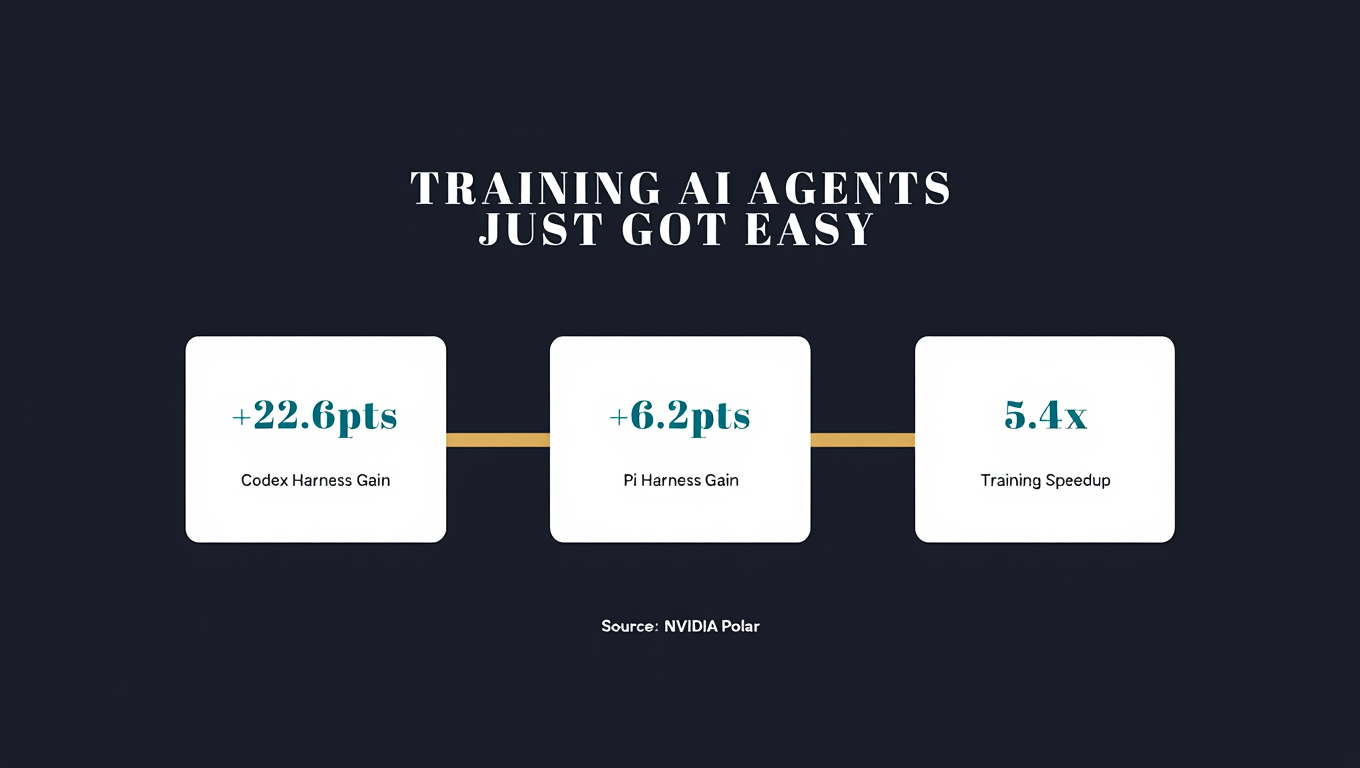
NVIDIA Polar: How to Train AI Agents Without Changing Their Code
NVIDIA's Polar framework lets you train any AI agent with reinforcement learning without code changes. A 4B model gained 22.6 points on SWE-Bench using simple GRPO.
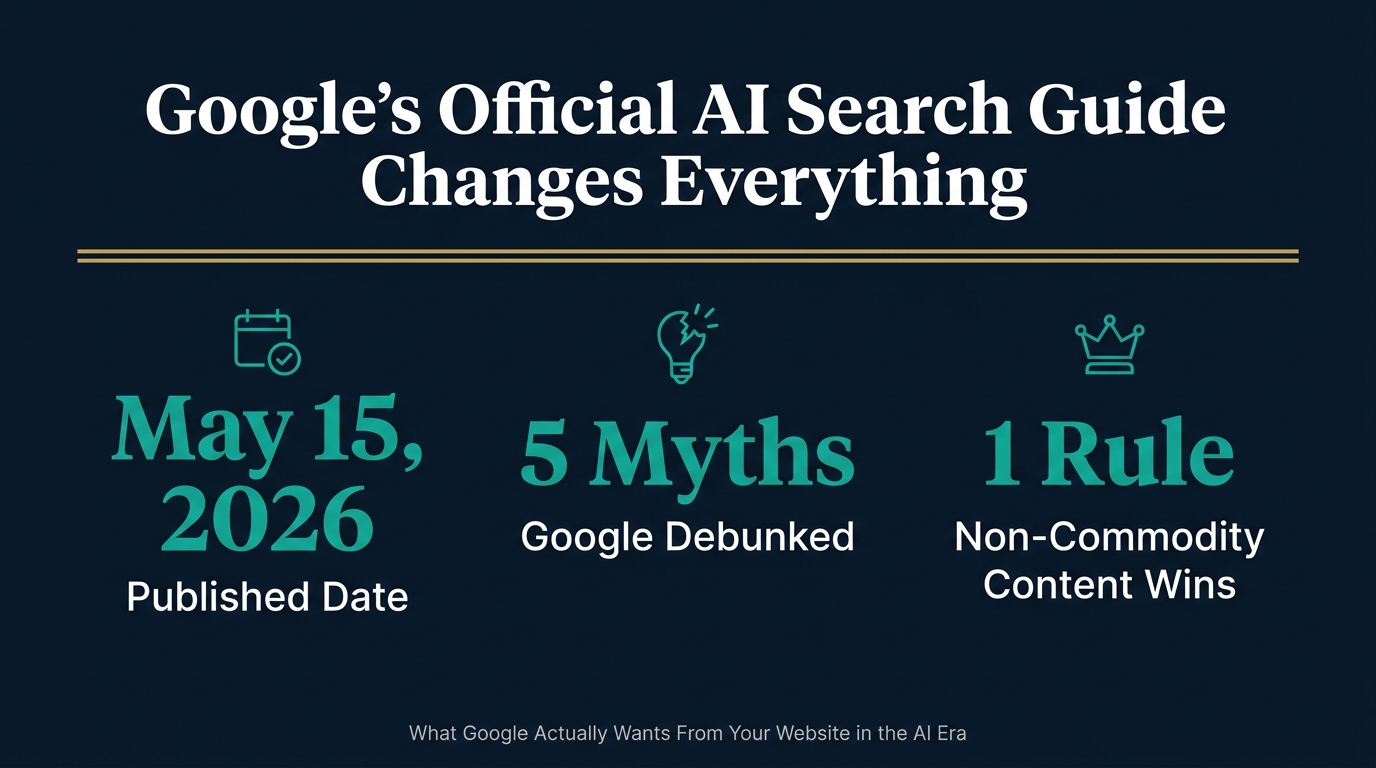
Google Just Published Its Official AI Search Optimisation Guide: Here Is What Actually Works
Google's May 2026 AI optimisation guide debunks AEO myths, says llms.txt and content chunking are unnecessary, and emphasises non-commodity content as the key to appearing in AI Overviews and AI Mode. Practical takeaways for Australian businesses.
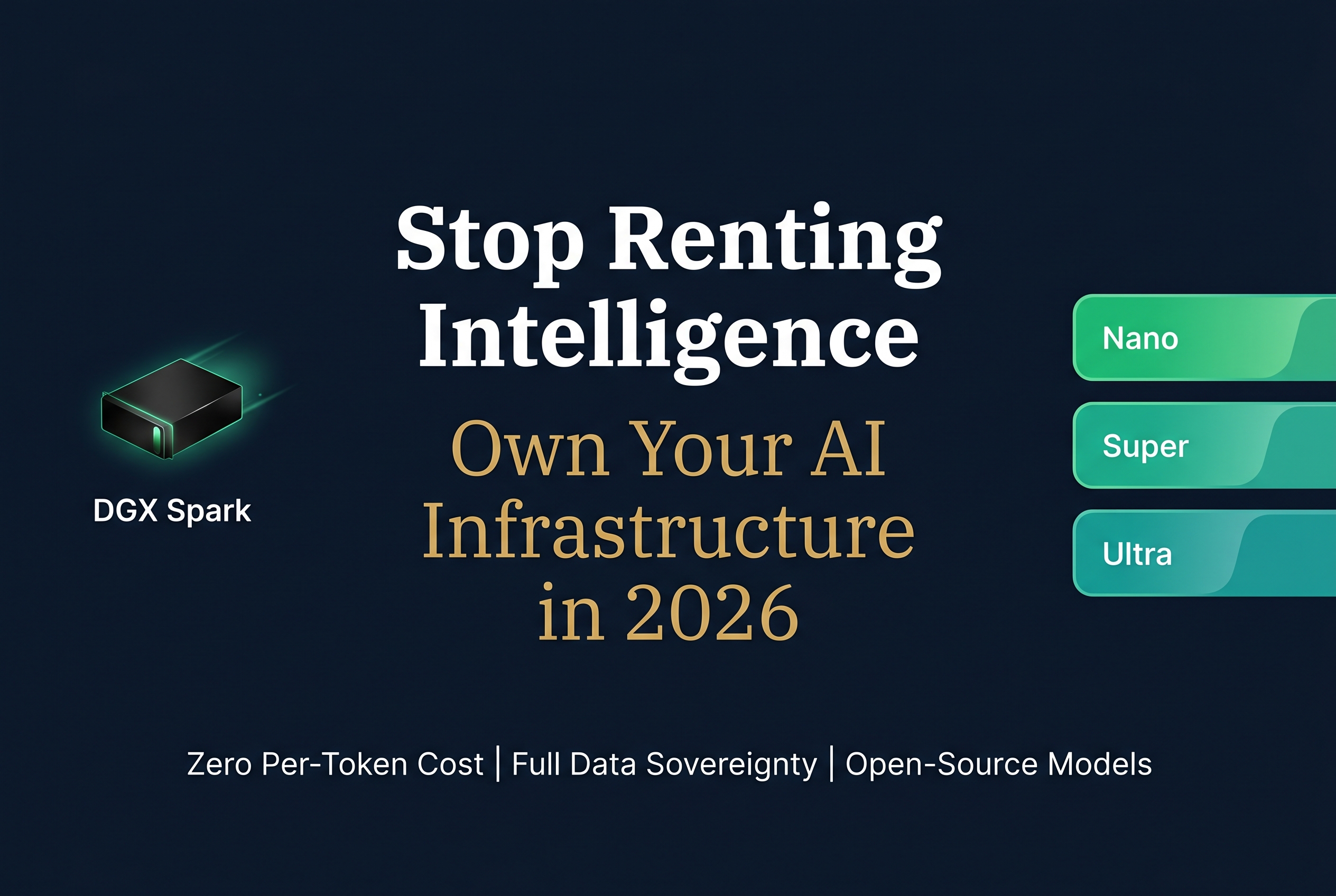
How to Build Your Own Private AI Infrastructure in 2026: Stop Renting Intelligence
Australian businesses are spending $500-$8,000 per month renting AI intelligence from OpenAI and Google. Here is how to own your AI infrastructure outright with NVIDIA DGX Spark, run Nemotron and open-source models locally, and eliminate per-token costs forever.
One email, most weeks
What actually changed in AI and what to do about it. No pitch, and you can leave in one click.